
Social Media Paid Strategy
Organic content builds trust.
Paid social builds momentum.
Up until now, you’ve learned how to plan content, grow a community, and measure performance. This module introduces the next layer: using paid media to amplify what is already working.
Paid social is not about throwing money at ads and hoping for results. It’s about making intentional decisions. When done correctly, it gives you control over who sees your content, when they see it, and what action you want them to take.
This module will walk you through the fundamentals of beginner-level paid campaigns in a way that feels structured and manageable.
Goal of This Module
By the end of this module, you should be able to:
Paid ads don’t replace strategy. They support it.
What to Expect in This Module
In this module, you’ll learn:
5.1 What Is Paid Social & When Should You Use It?
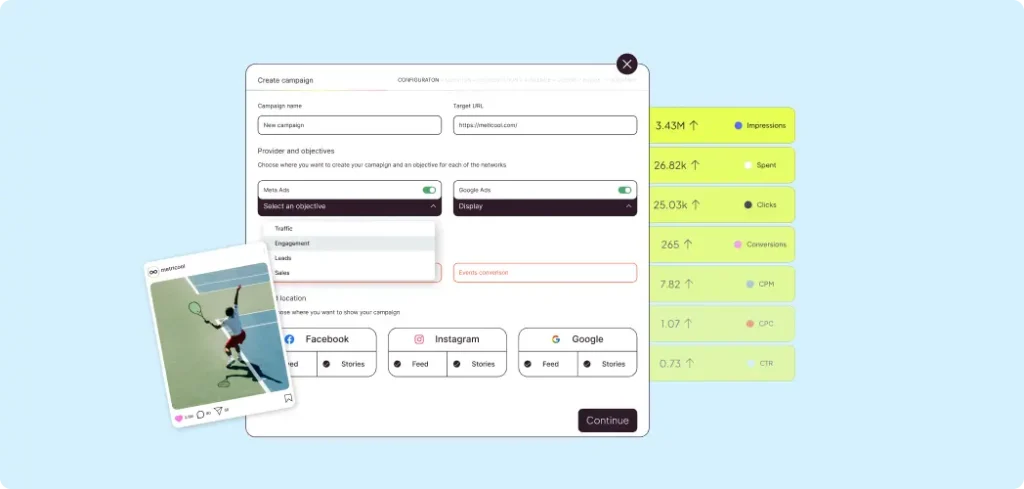
Paid social refers to paying a platform to distribute your content to a defined audience.
With organic content, distribution depends on algorithms and engagement signals. With paid content, distribution depends on budget and targeting.
That difference makes paid social more predictable.
Instead of waiting for the algorithm to decide who sees your content, you actively choose the audience.
When paid social makes sense
Paid social works best when you have a clear objective. For example, launching a product, promoting an event, driving website traffic, generating leads, or testing a new audience segment.
It is also useful when you want faster data. Organic growth can take time. Paid campaigns allow you to test messaging, creatives, and audiences more quickly.
When you should not use paid ads
If your offer is unclear.
If your organic content isn’t resonating at all.
If you don’t have a defined goal.
Paid ads amplify what works. They don’t fix weak positioning.
A high-level look at ad platforms
Most businesses start with Meta Ads (Facebook and Instagram), TikTok Ads, or LinkedIn Ads.
Meta is often the most beginner-friendly because of its targeting options and flexibility. TikTok is strong for reach and short-form video campaigns. LinkedIn works well for B2B targeting but usually requires higher budgets.
The platform should always support your goal, not the other way around.
If you want a deeper breakdown of how paid social works across platforms, check out our full guide here:
Your Learning Journey
Explore what’s next and stay on track. You’re in control of your progress!
Let’s keep learning!
Ready to move!