

How to Host Social Media Contests or Giveaways
 Gretchen Oestreicher
05 October 2026
Gretchen Oestreicher
05 October 2026 
A social media contest gives people a reason to like, share, comment, and tag a friend, and it puts your brand in front of an audience that hasn’t found you yet. Run one well and you grow your following, learn what your audience responds to, and give people something to talk about. The steps stay the same for a brand, a creator, or a small business, so once you’ve run one you can run the next without starting from scratch.
What a Social Media Contest Does for Your Brand
A social media contest offers a prize, usually a product or service, in exchange for a specific action like commenting, sharing, tagging a friend, or filling out a form. You might post one on Instagram or Facebook asking followers to comment or tag a friend for the chance to win a trip. When the entry period closes, you draw a winner and announce it.
Three things make a contest worth the effort:
- More Engagement: Asking for comments and shares raises the interaction numbers on your account.
- Wider Reach: When people tag friends or share your post, you reach audiences beyond your current followers.
- Stronger Recognition: Repeated exposure through shares helps people remember you when they’re ready to buy.
How to Run a Social Media Contest, Step by Step
1. Set Your Goals
Decide what you want the contest to do before you plan anything else, because the goal shapes the entry mechanic, the prize, and the platform. Common ones:
- Grow Your Following: Make following your account a condition of entry, and ask people to tag friends so the reach compounds.
- Lift Engagement: Build in comments, shares, or user-generated content so people interact.
- Collect Leads: Ask for an email address to enter, which builds a list you can market to later. A relevant prize keeps sign-ups high.
- Raise Awareness: Reward shares and friend tags, and consider a creator partnership to reach a new audience.
- Send Traffic to Your Site: Add a call to action that points entrants to a landing page or product.
2. Choose the Right Platform
Pick the platform where your audience already spends time, and match the format to what that platform does well. Each one has its own promotion rules too. Facebook and Instagram require you to state that the contest isn’t sponsored by them, and X asks you to avoid multiple accounts and duplicate posts. Rules change, so read the current guidelines for wherever you’re running the contest before you launch.
Here’s how the main platforms compare:
- Instagram: The best home for a visual contest, especially user-generated photo or video submissions. It suits fashion, food, travel, and lifestyle brands, so lead with sharp images and a clear call to action.
- Facebook: The most flexible option, good for like-and-share contests and submission-based ones alike. It works well for driving site traffic and building community through groups and events.
- X: Suited to fast, low-friction contests built on reposts, hashtags, or mentions. A good fit for quick awareness pushes.
- TikTok: Strong for creative video contests aimed at younger audiences, where entrants film and share short clips. The feed rewards content that picks up engagement fast, so tie your contest to a trend or challenge.
- Threads: Built around text and conversation, so it suits contests based on storytelling or sharing experiences with your brand.
- YouTube: Made for longer-form video, so it fits contests built on demonstrations or storytelling. It pays off for brands that can produce polished video, especially alongside a creator collaboration.
3. Check the Legal Rules Where You Operate
Contest law varies by country and sometimes by region, and getting it wrong can undo the credibility a contest is meant to build. Cover these before you launch:
- Age Limits: Set a minimum age, especially if the prize isn’t suitable for minors.
- Disclosures: Spell out the prize, how to enter, the odds, and any cost involved.
- Official Rules: Write full terms so there’s no room for disputes.
- Permits: Check if high-value prizes need registration or a permit.
- Data Protection: Follow rules like GDPR, and say how you’ll use and store entrant data.
- Tax: Know your tax obligations and the winner’s, and tell them upfront.
4. Set a Budget and Choose a Prize
Your budget covers the prize, promotion, and any tools or ads you run. Setting it early keeps spending in check and leaves room to promote the contest properly, which is usually where the extra reach comes from.
The prize is what pulls people in, so it should fit both your audience and your brand. A travel voucher suits a travel brand, a product bundle suits a retailer, and an experience suits a brand built around a lifestyle. Whatever you pick, its value has to look high enough that entering feels worth someone’s time. The closer the prize matches what your audience already wants from you, the more your entrants look like your actual customers.
5. Write the Contest Rules
Clear rules tell people how to enter and protect you from disputes later. Start with the entry method and keep it simple, since every extra step loses participants. Common mechanics:
- Like a post
- Share it
- Comment
- Tag a friend
- Submit user-generated content
When entry runs on a keyword comment, plan the automatic reply that goes out, the one that confirms the entry or sends the promised link. Answering each comment by hand stops working past the first few, so an automation tool can send that first reply for you.
Then set out the rest:
- Eligibility: State who can enter, including any age or location limits.
- Duration: Give start and end dates with the time zone, plus the winner announcement date.
- Prize Details: Describe the prize, its value, and any conditions for claiming it.
- Legal Cover: Add the required disclaimers, including that the platform isn’t involved, and a liability waiver if you need one.
- Access: Put the rules somewhere easy to find, like a pinned post or a page on your site.
6. Promote the Contest
Getting entries takes more than one post. Announce the contest with images or video that match your brand, add relevant hashtags, and decide early if organic reach will be enough or if this prize justifies paid promotion.
Look past your social feeds too. Email your subscribers with a clear call to action, and if you’re sending people to a landing page, check that it holds the rules and entry steps and works cleanly on mobile.
Schedule the announcement, reminders, and winner reveal ahead of time so the campaign runs without you posting live each day. Put each one out when your audience is most active, and it reaches the most people. A scheduling tool handles both, so you set the sequence once and let it run.
7. Track Entries While It’s Live
Once the contest is running, keep an eye on how it’s doing so you can see if your promotion is working. Depending on your goals, watch:
- Number of entries
- Shares and comments
- Engagement rate
- Follower growth
- Click-through rate
Keep the momentum up with updates. Post reminders before the deadline, run a countdown to the draw, and announce the winner publicly with a thank-you to everyone who entered. Watching entries across every platform separately gets messy, so pulling them into one dashboard makes it easier to see which channel is driving the most entries.
8. Pick and Announce the Winner
When entries close, choose the winner by the criteria you set. A random generator tool is the simplest fair method, running through the likes or comments on the post to pick at random.
Announce the winner publicly on the platform, then message them privately to arrange the prize. Doing both keeps the process transparent and gives the winner a moment in front of your audience. Going live for the draw adds to that, since people see the selection happen, and that builds trust for the next contest. Thank everyone who took part and point them toward what’s coming next.
9. Review the Results
Once it’s over, measure the contest against the goals you set in step one. Compare engagement, follower growth, and conversions from before, during, and after, so you can see what the contest moved.
Look at which parts did their job and which didn’t. If entries came in below what you hoped, the fix is usually in the promotion or the prize, so note it for next time. Each contest tells you a little more about what your audience responds to.
Social Media Contest Ideas
If you’re deciding what kind of contest to run, here are some formats that tend to perform, each aimed at a different goal.
Social Media Contest Ideas
Partnership
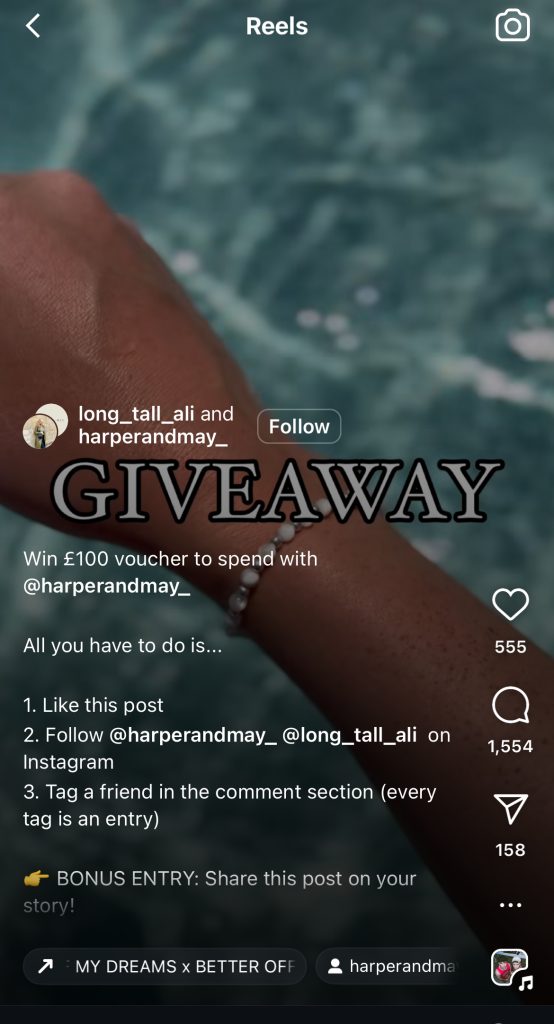
Team up with another brand or creator whose audience overlaps with yours. You pool prizes, put your brand in front of a second audience, and can make following both accounts a condition of entry. A skincare brand co-hosting with a dermatologist creator is a natural pairing, since the followers already care about the same thing. Agree upfront on who supplies the prize, who posts when, and how you’ll split the entrant data, so the collaboration runs smoothly on both sides.
Voucher or Credits
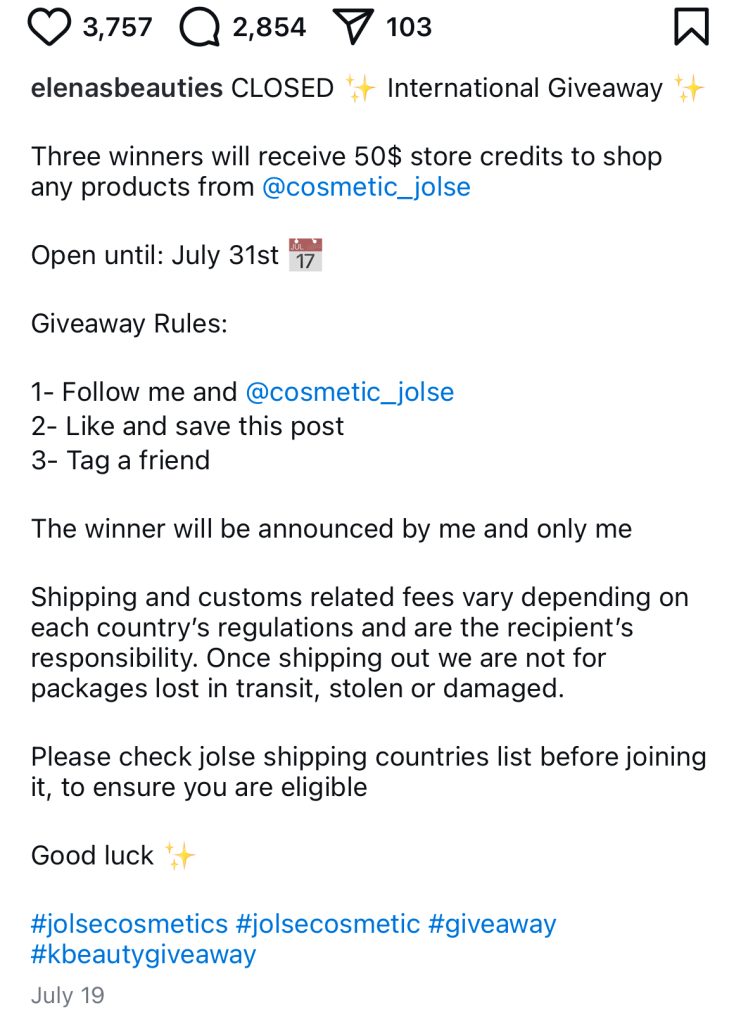
Give away a discount code or store credit rather than a physical prize. It sends entrants back to your shop, and even the people who don’t win often use the code, so a single contest can lift sales well beyond the prize itself. This one suits brands whose goal is conversions rather than pure reach.
Mystery Box
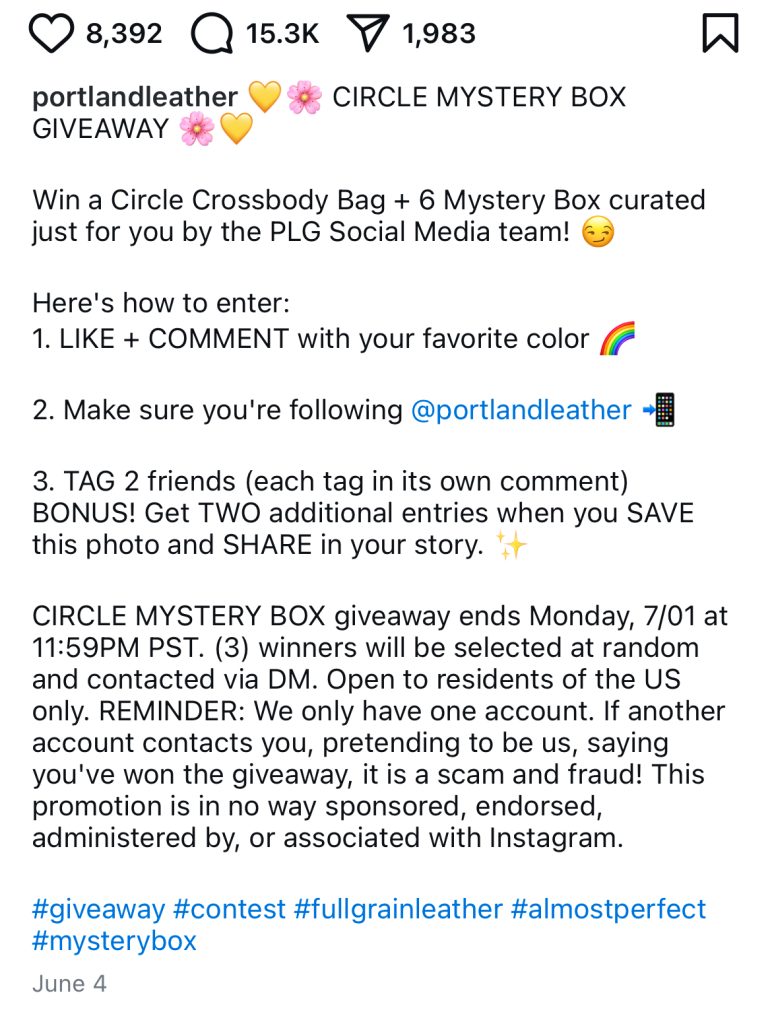
Offer a box whose contents stay secret until the reveal. The curiosity pulls comments and shares as people guess what’s inside, and it’s a relaxed way to show off a spread of products at once. Tease one item at a time in the run-up to keep interest building.
Experience
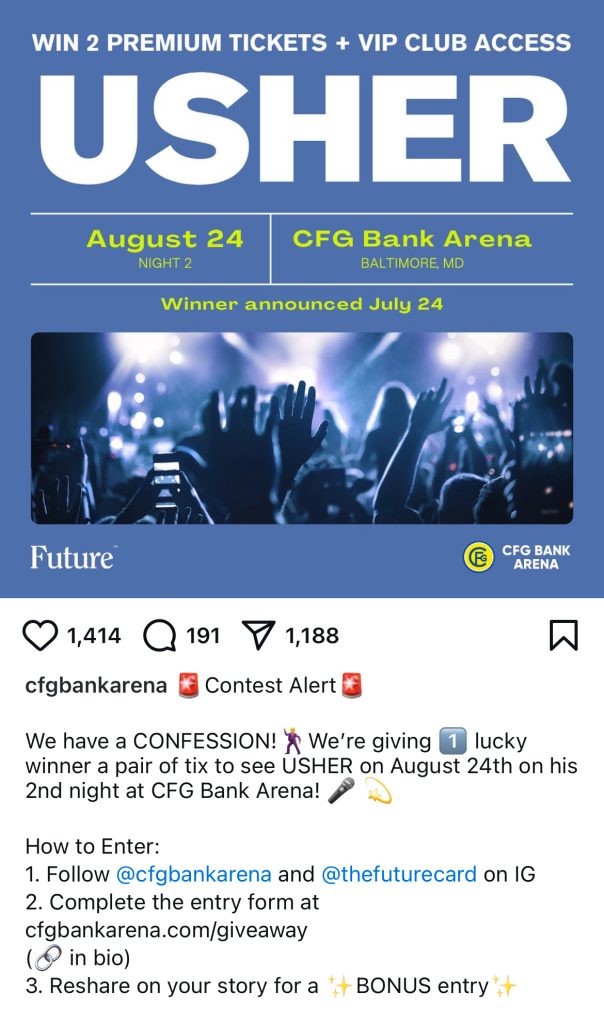
Put up a workshop spot, concert tickets, or a behind-the-scenes tour. Experiences tend to feel more valuable than a physical item of the same cost, and they tie a warm memory to your brand. They also photograph well, so the winner’s own posts become content that promotes your next contest.
Holiday or Vacation
A high-value travel prize tends to pull the biggest reach and entry numbers. Match the destination to your brand and audience so the people you attract are the ones you’d want as customers, not just anyone chasing a free holiday. Be clear in the rules about what’s covered and what isn’t, since travel prizes come with the most fine print.

Design Contest
Ask entrants to make something: a design around a theme, a caption for a photo, a short video. You get creative participation plus user-generated content you can reuse in marketing, and a dedicated hashtag keeps the submissions easy to track and reshare. Judged formats also give you a fair reason to feature several entrants, not only the winner.

Tips to Get More Entries
A prize gets attention, but a few habits are what separate a contest that fills up with entries from one that stalls:
- Match the Prize to the Effort: The bigger the ask, like a video submission versus a like, the more the prize needs to be worth. When entry is quick, a mid-value prize still pulls plenty of people.
- Make Entering Enjoyable: A caption contest, a photo challenge, or a small reward for taking part gives people a reason to join beyond the prize, and fun entries get shared more.
- Use One Short Branded Hashtag: Keep it easy to spell and specific to the contest, so you can gather every entry in one place and entrants can spread it to their own followers.
- Tell People the Exact Word to Comment: If entry runs on a keyword, name it in the post and keep it simple, with no accents or tricky spelling, so the automation catches every entry.
- Add a Short Delay on Automatic Replies: A DM that fires the instant someone comments reads as robotic. A few seconds’ wait makes the reply feel like a person got to it.
- Build Around User-Generated Content: When people post their own photos or videos to enter, their followers see it, which brings in new people and hands you content to reshare.
- Follow Up After the Draw: A thank-you message, a discount, or a heads-up on a new product keeps entrants around long after the prize is claimed.
Social Media Contest Tools
A social media contest tool handles the repetitive parts of running a giveaway: collecting entries, applying the rules, replying to the people who take part, drawing a winner, and tracking how it did. The options fall into two groups:
- Dedicated Giveaway Apps: Build a hosted entry form or landing page with a long list of entry actions like following, sharing, refer-a-friend, and photo uploads. They draw winners at random, verify entries, and pass new sign-ups to your email tool, so they suit contests aimed at building a list or running a sweepstakes off your website. SweepWidget, Gleam, ShortStack, Woorise, and Easypromos are among the established names.
- Social Media Management Tools: Cover the contest from inside the same place you already schedule and measure your posts. They work best for native contests where people comment, reply, or tag to enter rather than filling out a separate form.
Metricool covers the social media management side. Its contest-related features are:
- Flows: Automates the reply when someone enters. On Instagram, a keyword comment triggers a DM that confirms the entry or sends the link, so you’re not answering every comment by hand. On TikTok, Flows replies to entry comments instantly and hides comments with banned words to keep the thread clean.
- Planner and Best-Time-to-Post Data: Schedule your announcement, reminders, and winner reveal across platforms in advance, and put each one out when your audience is most active.
- Campaign Dashboards: Group the organic posts and any paid promotion behind the contest into one view and track them as a single campaign. It turns into a shareable report for a client or your team with nothing to build by hand.
- Metricool Studio: Reads the results back in plain language. Give it a prompt like compare this contest’s reach and engagement to the month before, and it returns the charts with a written summary of what changed and what to try next.
- The Metricool MCP: Connects your account to Claude or ChatGPT. You can schedule the posts, check which one is pulling the most entries, and pull the results by asking in plain language, without opening Metricool at all.
Make Your Next Contest Easier to Run
A contest is worth running when the people it brings in stick around and start caring about your brand. Most of what stands between you and that is repetition: scheduling the same run of posts, sending the same entry reply, and gathering the numbers from every platform afterward.
So set the goal first, pick a prize your audience already wants, and keep the entry to a single step. Write the automatic replies and schedule the reminders and the winner reveal before you launch, and the contest runs on its own from there.
Set the Contest Live and Let It Run
Schedule the announcement, reminders, and winner reveal in advance, and Metricool posts each one when your audience is most active.
