

How to Schedule YouTube Videos (& Why You Should)
 Kalum
20 August 2026
Kalum
20 August 2026 
Whether you are producing polished long-form tutorials or churning out fast-paced vertical Shorts, uploading content manually the exact minute you want it to go live is an inefficient way to run a YouTube channel. Scrambling to finish editing, write title tags, design custom thumbnails, and hit publish while watching the clock creates unnecessary stress and often leads to publishing at suboptimal times. Scheduling your YouTube videos can help you maintain a consistent posting cadence, keep your audience hooked, and streamline your content management across all your social media platforms. In this guide, we’ll walk you through the steps to schedule YouTube videos, as well as explore how tools like Metricool can simplify your social media management even further.
Four Reasons You Should Be Scheduling Your YouTube Content
- Reach your audiences during peak active windows: Every YouTube audience has distinct viewing habits based on their time zone, daily commute routines, and regional demographics. If your highest audience activity occurs on a Tuesday evening while you are at dinner or asleep in a different time zone, manually clicking publish is impractical. Scheduling ensures your content lands at peak engagement hours automatically.
- Allow time for high-definition and 4K processing: When you upload a video file to YouTube, the network processes a standard-definition (SD) version first, followed by higher-definition (HD) and 4K variations. If you publish a video immediately after uploading, early viewers will be forced to watch a low-resolution stream while YouTube finishes processing the visual file. Scheduling your upload hours or days in advance gives YouTube sufficient buffer time to generate maximum visual quality before a single viewer sees it.
- Content reviews and copyright verification: YouTube’s automated systems conduct checks on every upload to detect potential copyright claims, soundtrack flags, and ad-suitability issues. By scheduling your videos ahead of time, you give these automated scans space to run. If an issue arises, you can address monetization settings or resolve audio claims quietly in your dashboard before the video ever reaches public feeds.
- Healthier production workflow: Relying on manual real-time publishing forces you to stay glued to your computer screen, making consistent publishing difficult during travel, holidays, or busy work cycles. A scheduled content queue allows you to step away from your editing desk, knowing your channel will continue publishing on a predictable schedule.
How to Schedule YouTube Videos to Publish Later
The process of scheduling a YouTube video for later publication is relatively straightforward and can be done in just a few quick steps. You can schedule your video on your phone or your desktop.
To schedule a YouTube video:
- Sign Into Your YouTube Account: Log into YouTube Studio or open the YouTube app.
- Upload Your Video: Start by uploading your video to YouTube as you normally would. Click on the camera icon at the top right corner of YouTube and select ‘Upload video’.
- Fill in the Details: After uploading, you’ll be prompted to fill in the video details such as title, description, and tags.
- Choose Visibility: In the ‘Visibility’ section, you’ll find the option to schedule your video, Upload Short, or Upload Video. Select ‘Schedule’ and pick the date and time you want your video to go live.
- Finalize: Review all the information, and if everything looks good, click ‘Save’. Your video is now scheduled to publish at the specified time.
How to edit a scheduled YouTube video time
Adjusting the schedule for a YouTube video is a straightforward process. Whether you need to publish your content earlier or push the release back, you can edit your scheduled YouTube video time in a few steps.
To adjust your scheduled YouTube video:
- Go to YouTube Studio: Access your YouTube Studio dashboard.
- Find Your Video: Navigate to the ‘Content’ section, where you’ll see a list of your videos. Find the video you’ve scheduled and click on it.
- Edit Details: Click on the ‘Details’ tab, and then go to the ‘Visibility’ section where you initially scheduled your video.
- Change the Time: Click on ‘Schedule’ again, adjust the date and time as needed, and then click ‘Save’. Your video’s scheduled time has now been updated.
How to Schedule a YouTube Premiere
YouTube Premieres is an engaging feature that allows you to share your new content with your audience in a unique, real-time viewing experience. When you schedule a YouTube Premiere, you’re essentially creating a live event around the release of your video, building anticipation and fostering a sense of community among your viewers.
To schedule a YouTube Premiere:
- Go to YouTube Studio: Access your dashboard and click “Create Upload videos”.
- Upload Your Video: Select your video and enter the video details. Note: Shorts and 360/VR180 videos aren’t supported.
- Instant Premiere: To immediately premiere the video, click “Save” or “Publish Public” and choose “Instant Premiere”.
- Schedule Premiere: To schedule your YouTube Premiere for later, click “Schedule” and enter a date and time.
- Customize: Choose a countdown theme and countdown length.
When you create a Premiere, a public watch page is created for your video. You can share the watch page URL, and viewers can set reminders, leave comments, and chat. Premieres show up across YouTube like regular uploads. Customize your Premiere by choosing a different countdown theme, monetizing your Premiere, or showing a trailer on the watch page before your Premiere starts to build anticipation with your audience.
How to Schedule a YouTube Short (Desktop & Mobile)
Shorts are a powerful driver of channel growth on YouTube, our 2026 Study found that 61% of all views on the platform come from the Shorts algorithm, so knowing how to schedule Shorts with precise timing is essential for maximizing reach.
To qualify as a YouTube Short, your video must adhere to two strict technical parameters:
- Vertical Aspect Ratio: The video frame must be vertical (9:16 ratio, typically 10801920 pixels) or square (1:1).
- Runtime Limit: The total video duration must be 60 seconds or less.
Scheduling a YouTube Short via Mobile App
Because most vertical clips are filmed and edited on mobile devices, scheduling Shorts directly from your smartphone is a natural workflow.
- Open the primary YouTube app, tap the + button, and select Create a Short (or Upload a video if you have already edited your vertical clip in an external mobile editor).
- Select your vertical video file from your camera roll. Adjust the clip length if needed, apply text overlays, filters, or native voiceovers, then tap Next.
- Add a punchy title under 50 characters. Including the hashtag #Shorts in your title or description helps system indexing, though YouTube automatically categorizes vertical clips under 60 seconds as Shorts.
- Tap Visibility, select Schedule, choose your release date and peak active hour, then tap Upload Short.
Scheduling a YouTube Short via Desktop Browser
You can also schedule YouTube Shorts from your desktop browser using the standard YouTube Studio upload window:
- Log into YouTube Studio on your computer, click Create, and select Upload videos.
- Drag and drop your vertical 9:16 MP4 video file.
- YouTube will automatically recognize the vertical format and tag it as a Short. Add your title, concise description, and select a compelling video frame for your thumbnail preview.
- Navigate to the Visibility tab, select Schedule, enter your target date and time, then click Schedule.
Why Metricool is the Best Option for Scheduling YouTube Videos and Shorts
To bypass the friction of native tools and streamline your publishing workflows, using a centralized scheduling app like Metricool offers a far more effective alternative. Metricool bridges the gap between YouTube scheduling, multi-channel planning, and actionable audience data.
Here is why Metricool serves as the best platform for managing your YouTube upload calendar:
All-in-One Visual Content Calendar
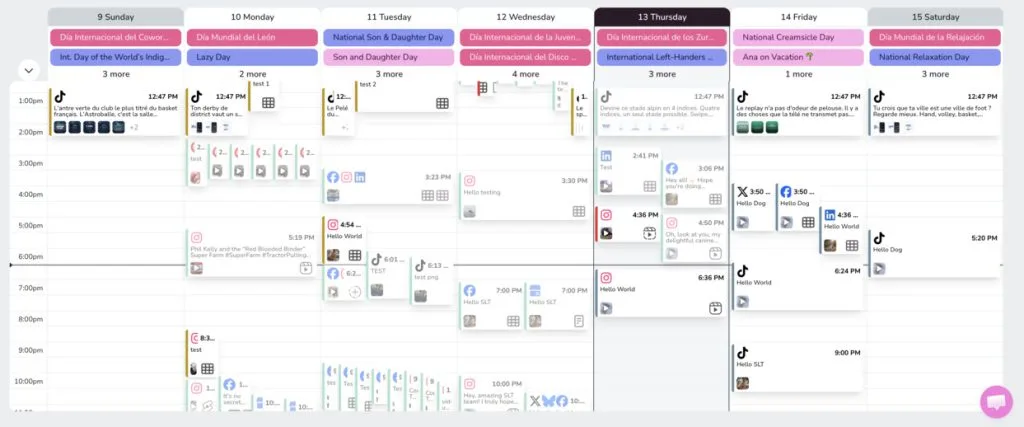
Metricool provides a single visual scheduling board where you can organize long-form YouTube uploads, vertical Shorts, Instagram Reels, TikTok clips, and social updates side by side. Seeing your entire social schedule on one screen ensures your visual branding stays consistent across every network without needing multiple open browser tabs.
Integrated Best-Time-to-Post Heatmaps
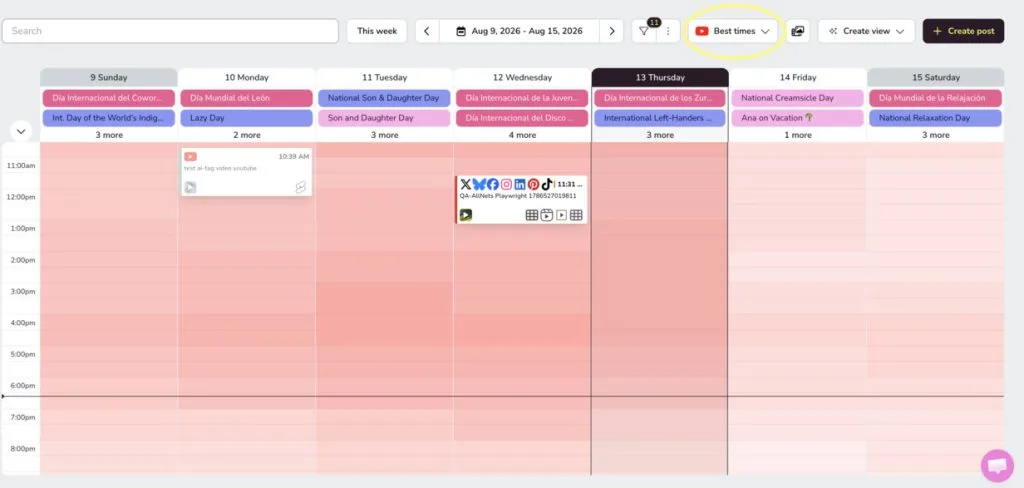
Instead of forcing you to guess when your audience is active, Metricool overlays a real-time heatmap directly onto your visual calendar interface. Darker color highlights indicate the exact hours when your unique subscriber base is online and interacting with content. This visual indicator removes guesswork, allowing you to schedule long-form uploads and vertical Shorts during optimal active windows with a single click.
Simultaneous Cross-Channel Publishing
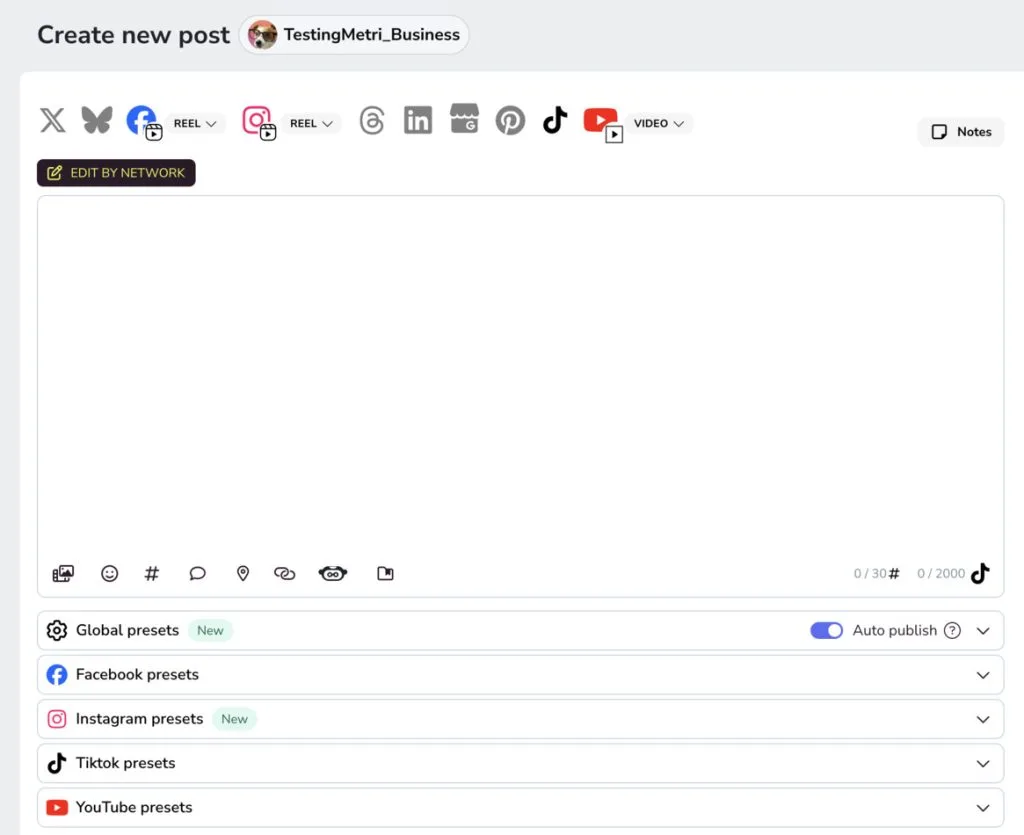
When you prepare a vertical Short, Metricool allows you to schedule that same video file to publish simultaneously to YouTube Shorts, Instagram Reels, TikTok, and Facebook Reels. You write your copy once, adjust network-specific captions if needed, and queue all four platforms in a single workflow. This multi-network capability saves hours of tedious manual re-uploading every week.
Consolidated Inbox and Multi-Brand Organization
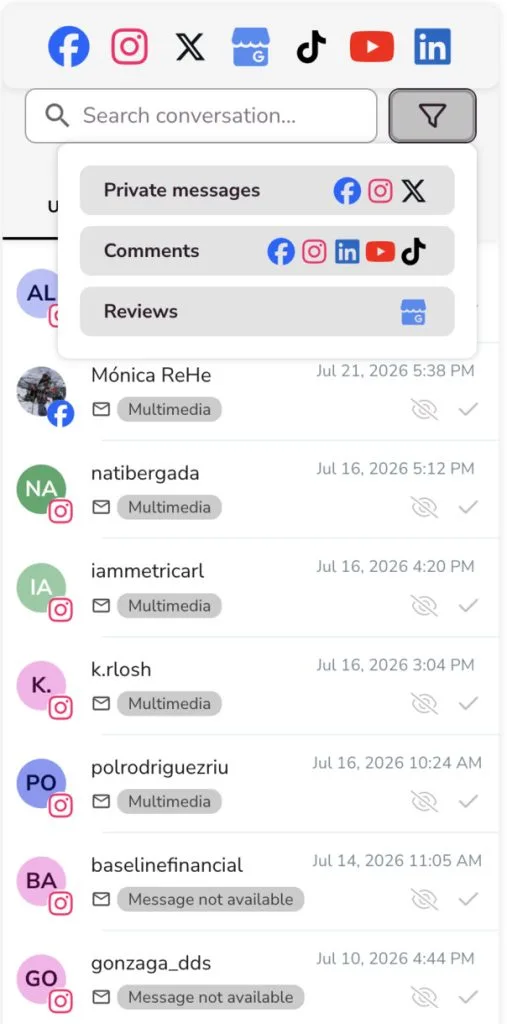
Metricool organizes your accounts into clean “Brand Bundles,” allowing you to switch between client profiles or secondary YouTube channels effortlessly. Once your scheduled videos go live, all viewer comments flow directly into Metricool’s unified inbox, allowing you to reply to viewer feedback across all your channels from one screen.
How to Schedule YouTube videos with Metricool
If you’re looking to take your YouTube content management to the next level, Metricool is a powerful tool that can help you schedule videos, track performance, and coordinate your social media presence across multiple platforms.
- Log into Your Metricool App: If you don’t already have one, sign up for a Metricool account.
- Navigate to Planning: Once logged in, go to the ‘Planning’ section at the top of the page that contains all your brand’s schedule content.
- Click ‘+ Create Post’: A pop up window will appear. Choose the YouTube logo at the top of the window, and select either ‘Short’ or ‘Video’.
- Upload Your Video: Upload your YouTube video, and write your description, video title, audience configuration, privacy, category, and tags.
- Schedule: Choose to either ‘Schedule’ with your chosen date and time, or you can save as a draft, send for review, or publish your YouTube video now.
- Save: Click ‘Save’, and Metricool will handle the rest, publishing your video at the scheduled time.
Metricool isn’t just for scheduling YouTube videos; it’s a control center for managing your brand’s social media presence across multiple platforms. In addition to YouTube, you can use Metricool to schedule content for Instagram, Facebook, Twitter, TikTok and more.
Beyond scheduling, Metricool also provides valuable analytics and data insights, helping you understand the performance of your content and make informed decisions about your social media strategy. You can even use Metricool to manage your advertising campaigns, ensuring a cohesive and effective approach to your online marketing efforts.
Comparative Overview: Native YouTube Video Scheduling vs. Metricool
To help you decide which scheduling framework fits your channel workflows best, review this direct comparison between native options and Metricool:
| Feature / Capability | Native YouTube Desktop | Native YouTube Mobile | Metricool Workspace |
| Long-Form Scheduling | Supported | Supported | Supported |
| YouTube Shorts Scheduling | Supported | Supported | Supported |
| Best-Time Heatmaps on Planner | No (Separate Tab) | No | Yes (Integrated Visual Layer) |
| Cross-Posting to TikTok/Reels | No | No | Yes (Simultaneous Multi-Network) |
| Unified Multi-Platform Calendar | No (YouTube Only) | No (YouTube Only) | Yes (All Networks Side by Side) |
| Centralized Comments Inbox | No | No | Yes (Cross-Platform Inbox) |
| Multi-Brand Workspace Organization | Manual Account Switch | Manual Account Switch | Yes (Isolated Brand Profiles) |
