

The Biggest Challenges of Social Media in 2026 and How to Manage Them
 Gretchen Oestreicher
08 July 2026
Gretchen Oestreicher
08 July 2026 
Managing social media has changed. The heart of the job, showing up consistently and connecting with an audience, is the same as it’s always been, but the conditions around it keep getting harder. Some of the biggest challenges of social media in 2026 are genuinely new, like AI reshaping how content gets made and discovered, and platforms behaving less like feeds and more like search engines. Others have been part of the work for years and have only grown heavier, like proving results, keeping pace with restless algorithms, and doing more than any one person reasonably can.
What follows is a look at both kinds: the challenges reshaping social media in 2026 and the familiar ones that refuse to go away, from the perspective of the people managing it every day.
Declining Organic Reach and Algorithm Volatility
Reach keeps shrinking, and posting more no longer buys visibility. Our 2026 Social Media Study, which analyzed nearly 40 million posts, found the pattern across almost every major platform: accounts published more in 2025 and still watched reach and interactions fall. Instagram, TikTok, LinkedIn, and Pinterest all told the same story, more content going out and less visibility coming back per post. The reason is simple, more content means the same attention gets sliced into more pieces.
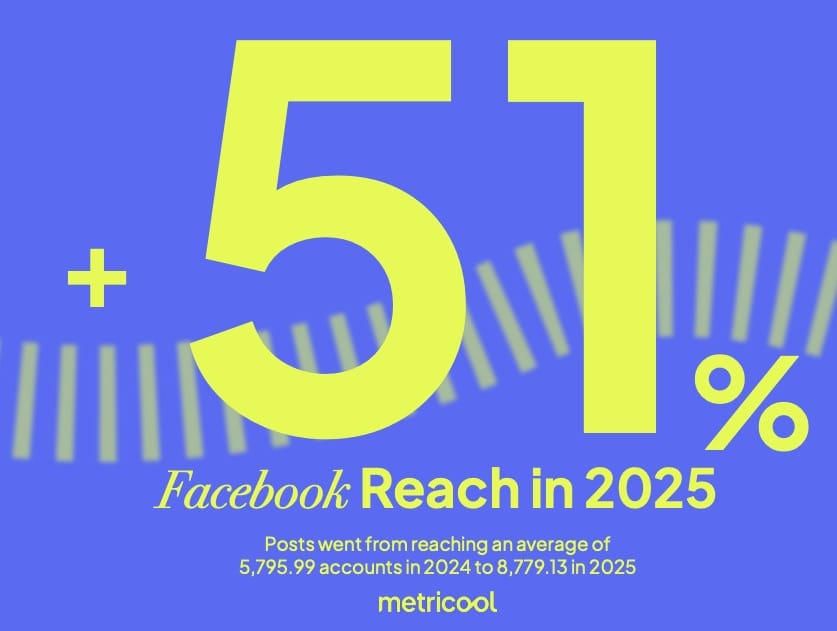
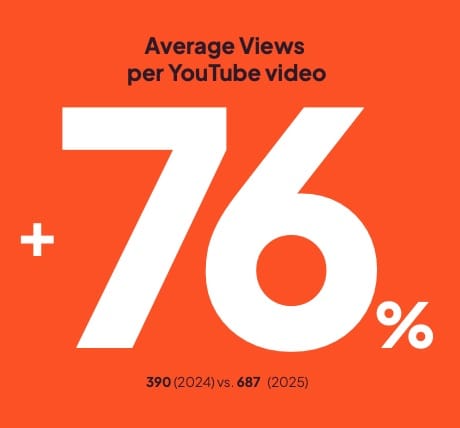
Two platforms bucked the trend and show what’s still possible. Facebook grew reach by 51% and YouTube grew views per video by 76%, both rewarding accounts that leaned into video and stayed consistent rather than posting for the sake of volume.
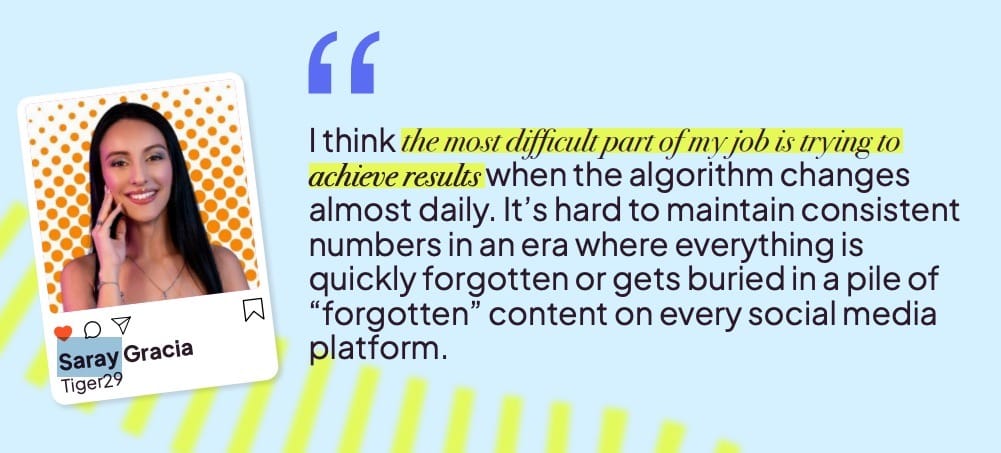
The volatility itself is a stressor, not just the decline. Every change to a social media algorithm can reshuffle who sees your work overnight, and sudden drops in performance rank among the situations professionals say create the most pressure for them. As Saray Gracia from Tiger29 put it, the hardest part of the job is trying to hit consistent numbers when the algorithm changes almost daily and content gets buried fast.
The Rising Bar for Content Quality
With feeds this crowded, standing out is a challenge in its own right, and the creative burden has grown alongside it. People scroll fast, so the first few seconds of a video now carry most of the weight, which puts pressure on hooks, pacing, and thumbnails.
Video is the best-performing format for both reach and interactions on most platforms, which is why so many teams now operate like small production studios. But video isn’t the only lever. Carousel posts quietly overperform, driving more than three times the interactions of single-image posts on Instagram and far outpacing every other format on LinkedIn, yet they’re among the least-used formats on both. There’s real room for brands willing to make them.
This lands as strain on the people doing the work. Coming up with new content ideas all the time is one of the most cited sources of pressure in the field, and most professionals handle content creation, video editing, and graphic design themselves, often all at once.
AI Saturation and the Pull Toward Authenticity
AI content creation has made it trivially easy to produce work at scale, so the volume published every day has exploded. Producing content is the easy part now, and the hard part is making something people actually care about, with the signs of saturation from AI in social media visible everywhere.
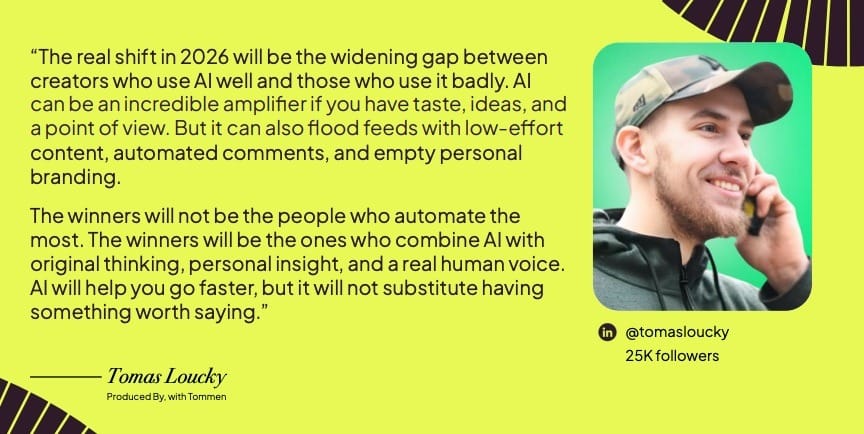
The accounts pulling ahead are the ones using AI with judgment. As creator Tomas Loucky put it, the real shift in 2026 is the widening gap between people who use AI well and those who use it badly, since the same tool can amplify good ideas or flood feeds with empty content depending on who’s holding it.
Emma Persson of The Social Creatives Club described spending hours perfecting a trending video that flopped, while a quick, unplanned behind-the-scenes clip she posted right after performed ten times better. Her takeaway was that authenticity connects where polish doesn’t.
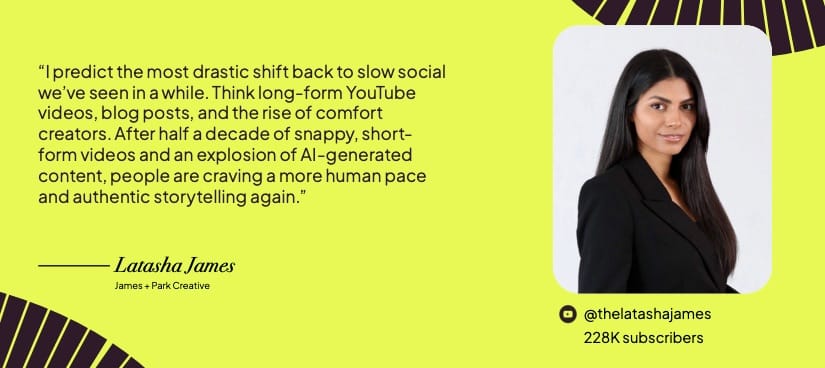
Some professionals expect a correction. Latasha James predicts a move back toward slower social in 2026, with long-form YouTube, blog posts, and a craving for a more human pace after years of short-form video and AI-generated content. The practical answer most brands settle on is to use AI for research, ideation, and drafting on the back end while keeping a human voice and human judgment in front. Original research, behind-the-scenes footage, founder and employee posts, and user-generated content from real customers now carry more weight than polished copy that could have come from anywhere.
Competing with Creators
Brands aren’t only competing with other brands anymore. They’re up against creators, influencers, employees, founders, and podcasters, many of whom outperform polished brand accounts because audiences see them as more relatable and more trustworthy. The creator economy keeps drawing a larger share of marketing budgets, and the challenge for brands runs in two directions: deciding when to partner with creators versus build their own voice, and proving those partnerships drive business results rather than just reach.
The advantage now sits with micro influencers and other specialized creators whose audiences trust them on a specific topic over big names with broad but shallow influence. A niche expert who covers one category consistently often converts better than a celebrity with far more followers, which changes how brands pick partners and measure success.
Platform Fragmentation
A few years ago most brands lived on a handful of networks. Now the expected mix stretches across TikTok, Instagram, LinkedIn, YouTube, Threads, Pinterest, Facebook, and more, each with its own audience, algorithm, format preferences, and posting rhythm. One piece of content rarely performs the same way everywhere.
The rhythms differ right down to when audiences show up. Peak posting times range from Monday morning on Instagram, Facebook, and Threads to early evening on TikTok and Pinterest, with YouTube going its own way at midday Tuesday. The performance gaps run deep too. Threads can far outpace X for the largest accounts while running much closer at smaller sizes, which shows how much the right platform depends on account size and goals.
The opportunity inside this fragmentation is repurposing with adaptation. The same core idea can reach tens of thousands more people on a platform a brand hasn’t tapped yet, as long as it’s tailored to that network rather than copied across. Fragmentation also brings dependency risk. When a single platform faces uncertainty, whether from ownership changes, policy shifts, or a sudden algorithm change, brands that built everything on it feel it immediately. Spreading presence across networks and owned channels is as much about resilience as it is about reach.
Social Search and AI-Driven Discovery
Discovery has moved off traditional search, which changes where brands need to be findable. Audiences increasingly run their searches directly inside TikTok, Instagram, YouTube, and Reddit instead of starting with a search engine, looking for how-tos, product reviews, and real experiences from people they trust. This shift, known as social search, sits alongside a newer habit: consumers asking AI assistants for recommendations, which means brands now think about showing up in AI-generated answers as well as in feeds.
The practical effect is that social content now doubles as search content. Searchable captions, on-screen text, spoken keywords, titles, and alt text all shape whether a post gets found, and evergreen educational content earns discovery long after it’s published. Local discovery follows the same logic: food orders from Google Business Profiles jumped 78% in 2025, a reminder that a well-kept profile still works as a storefront for businesses that depend on nearby customers.
Social Commerce Expectations
Consumers increasingly expect to discover, research, compare, and buy without ever leaving a platform, and social commerce has become a channel in its own right. That raises the bar for brands, who have to connect content to a smooth shopping experience while still making posts worth watching rather than constant sales pitches. Platforms have leaned hard into this, with features like Instagram shopping and in-app checkout across TikTok and Pinterest pushing brands to sell where people already scroll.
The difficulty is holding both jobs at once. Content that’s too transactional gets ignored, and content that entertains but never points toward a purchase misses the sale. Brands that get it right treat social commerce as a natural extension of good content rather than a bolt-on.
Balancing Trends and Brand Identity
Every week brings new memes, sounds, formats, and challenges, and each one raises the same question: should the brand join in? Jumping on every trend can dilute a brand’s identity and make it look like it’s trying too hard, while sitting them all out can make it seem out of touch.
The skill is knowing which trends fit the brand’s voice and audience, then moving fast enough to catch them before they pass. That judgment call, made over and over under time pressure, is its own quiet drain on a small team, and getting it wrong in public is easy to do.
The Pressure to Prove Results
Measurement is where the weight of expectation sits, and it shows up as pressure on the people reporting the numbers. More than half of social media professionals say they feel pushed to go viral and hit high metrics, while leadership increasingly asks what social actually generated. Vanity metrics alone rarely satisfy stakeholders anymore, so managers are expected to connect social activity to leads, revenue, and retention, and to justify the budget and tools behind it all.
There’s a useful signal in the data on where that effort pays off. Reaching for mass appeal succeeds for very few, and the more reliable path is knowing your audience well enough to resonate with the right people, then creating content that sparks a reaction. On X, for example, medium-sized accounts were the only group to grow impressions in 2025, and they did it by lifting interactions 68%. Reach follows reactions, so the win comes from content people respond to.
Community Management and Always-On Demands
Publishing is only half the job. The other half is monitoring comments, DMs, mentions, reviews, complaints, and the occasional crisis, which is why many brands now treat community management as a customer service function as much as a marketing one. It also blurs into online reputation management, since a viral complaint or a poorly judged post can escalate within hours, so teams need monitoring, approval workflows, and fast internal coordination.
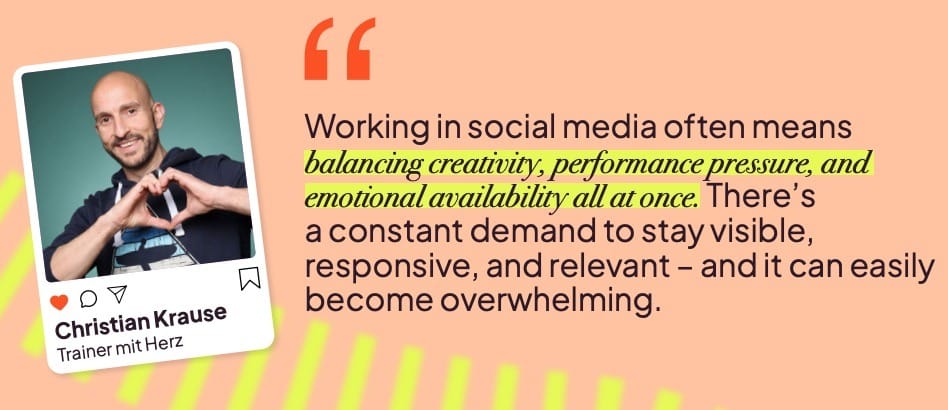
Much of this falls on individuals, most of whom handle community management on top of everything else. More than half of professionals describe themselves as chronically online, and roughly the same share feel pressure to reply or act immediately. The emotional cost is real too. Negative comments bother most professionals, and for a meaningful share they linger for the rest of the day. As Christian Krause put it, the work means balancing creativity, performance pressure, and emotional availability all at once, and it can easily become overwhelming.
Regulation, Disclosure, and Compliance
The rules around social media tightened in 2026, and that adds operational load that didn’t exist before. Age-verification and under-16 restrictions are spreading across markets, and platforms are introducing clearer requirements around disclosing AI-generated content and commercial partnerships. For a brand operating in more than one country, the safe approach is to follow the strictest market’s rules everywhere, which means building compliance into content workflows rather than treating it as an afterthought. It’s one more discipline layered onto a role that already spans many.
The Human Cost: Burnout, Workload, and Understaffing
Everything above lands on people, and usually not enough of them. The role expanded into a multi-disciplinary job without a matching staffing model, and it shows. When we surveyed more than 1,000 social media professionals for our Well-being Report, 1 in 3 rated their well-being working in social media as negative.
Three in four feel they’re wearing too many hats at once, and most work alone, with well over half running as a team of one. Boundaries have eroded, so working outside normal hours and taking on overtime have become the baseline rather than the exception, usually driven by last-minute changes. The result is a workforce running hot: nearly half have considered leaving social media because of stress or burnout, and many report losing motivation and creativity along the way. Recognition hasn’t kept pace with responsibility either, with most professionals feeling underpaid and undervalued compared to other marketing roles.
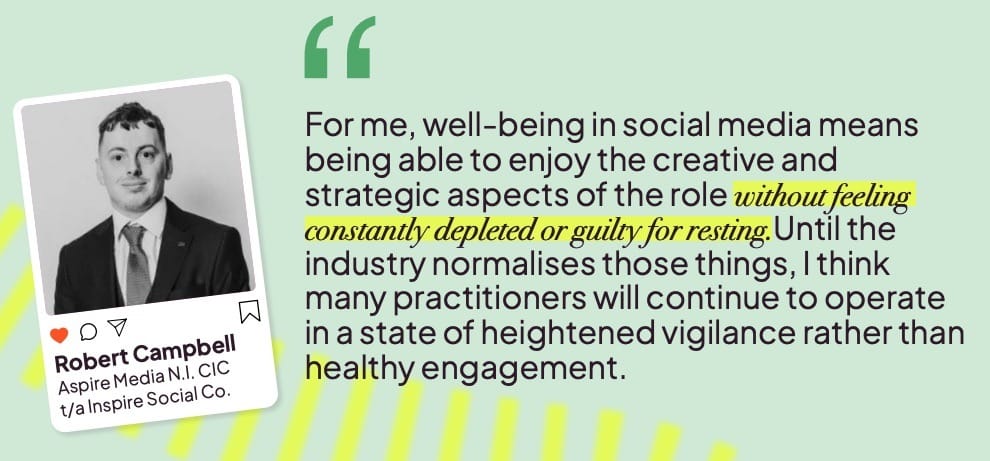
AI is part of this picture, but not in the way the headlines suggest. Most professionals now use AI or automation tools, yet they’re mostly using them to keep up with growing demands rather than to reduce their workload or protect their time. The tools help, but they don’t fix a job that’s structurally overloaded. As one respondent, Robert Campbell, put it, well-being in social media means enjoying the creative and strategic parts of the role without feeling constantly depleted or guilty for resting, and until the industry normalizes that, many practitioners will keep operating in a state of heightened vigilance.
Making Social Media Marketing Challenges Easier to Manage
A few threads tie all of these challenges of social media marketing together. Teams are being asked to do more, across more platforms and formats, under tighter rules, usually without more people. And the two things that actually cut through, authentic human content and content that earns a real reaction, are the hardest to scale.
The way forward in 2026 is less about keeping up with every new feature and more about working with intention. That means knowing your audience well enough to connect with the right people instead of reaching for everyone, building systems that reduce friction so creative energy goes to the work that matters, using AI to move faster without letting content go generic, and protecting the people behind the accounts as carefully as the metrics.
None of these challenges fully disappear in 2026, but the right setup makes them lighter to carry. That’s where a tool like Metricool earns its place: planning and scheduling content across every platform from one calendar, keeping an eye on what’s working with analytics in a single view, turning results into reports you can hand to a client or manager without starting from scratch, and drafting copy with AI when you need a starting point. It won’t quiet a restless algorithm for you, but it takes the repetitive weight off your plate so your time and energy go to the parts of the job that need a human.
