

Top Competitor Analysis Tools in 2026 for Social Media, SEO, Email Marketing, and More
 Gretchen Oestreicher
22 December 2025
Gretchen Oestreicher
22 December 2025 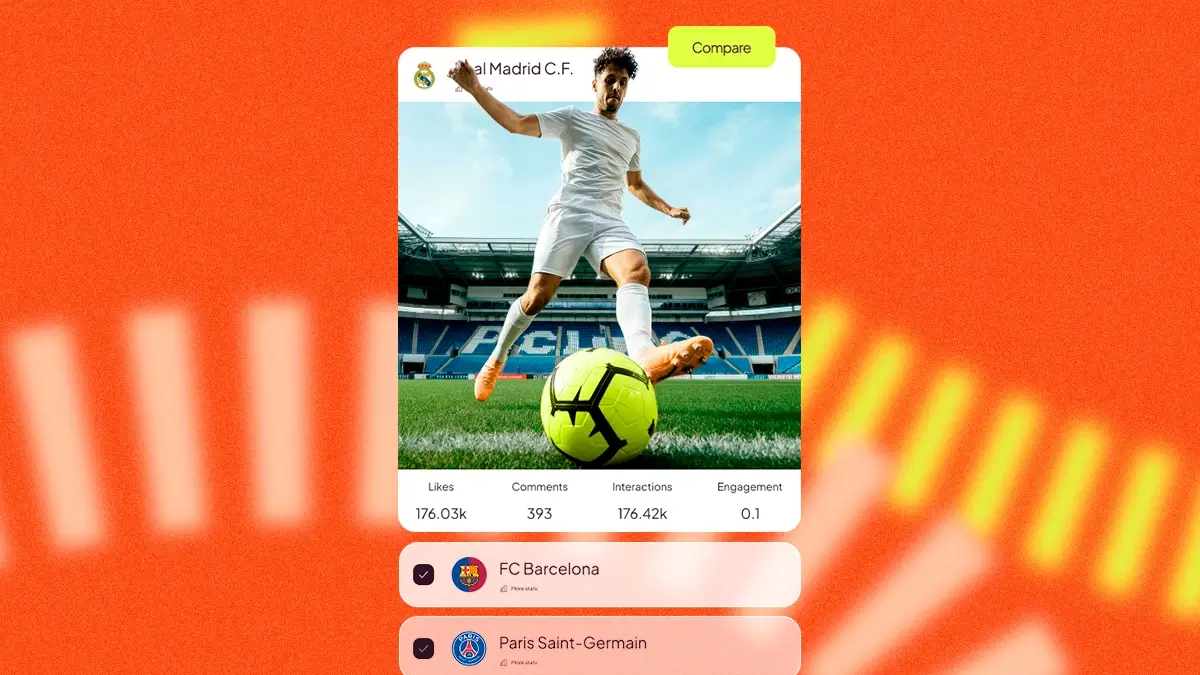
When you’re building a brand, it’s easy to focus only on your own content, campaigns, and posts. Taking a step back to see what others in your market are doing can make a big difference. Competitor analysis shows you what works, what doesn’t, and where your brand can stand out across social media, SEO, email, paid ads, and more.
Competitor analysis isn’t just copying. It’s about learning from the market, spotting gaps, and making smarter choices for your strategy. In this guide, we’ll explain why each part of competitor research matters, the tools that make it easier, and how to turn insights into actions that help your brand grow.
You’ll explore social media trends, influencer campaigns, high-performing keywords, and email strategies, learning how to gather insights without feeling overwhelmed and put them to work in your daily marketing routine.
What is a Competitor Analysis?
Competitor analysis is a systematic approach to evaluating your competitors’ strengths, weaknesses, products, and marketing strategies. By tracking what others in your market are doing, you can spot gaps in your own offering, refine messaging, and anticipate shifts in customer expectations.
It usually includes:
- Reviewing social media, SEO, email campaigns, and paid ads
- Evaluating audience engagement and sentiment
- Monitoring product updates, pricing, and promotions
- Analyzing brand positioning and customer experience
Best Competitor Research Tools in 2025
Competitor analysis is only useful if it covers the areas that really affect your business. The right tools let you see what others are doing across social media, SEO, email, paid campaigns, and influencer marketing. By tracking these areas, you can uncover gaps, spot trends, and make smarter decisions for your own strategy.
Best Social Media Competitor Analysis Tool
Social media reveals audience interests and engagement. Understanding what content, formats, and posting habits work for competitors helps you refine your own strategy.
Metricool
If you want to see what your competitors are posting, how often they post, and what gets their audience talking, Metricool makes it easy to keep everything in one place. The Competitors section pulls public data from each platform and lays it out clearly, so you can quickly spot trends and see what’s working in your niche.
Where it’s available:
- FREE and Premium plans: Facebook, Instagram, Bluesky, Twitch
- Premium only (via add-on): YouTube and X
Free plans let you track up to 5 competitors, while paid plans expand that to up to 100.
Metricool gives you a clear view of your competitors so you can learn from what’s working for them:
- Followers and Likes: Keep track of how their audience grows and which posts get the most attention.
- Posts: Browse all their recent content in one place and get a sense of their style, frequency, and topics.
- Interactions: See how people are reacting to their posts through likes, comments, shares, and other engagement.
- Extra Stats: Dig a little deeper to spot trends, patterns, and overall activity so you can spot opportunities for your own content.
Metricool helps you understand the bigger picture around your competitors’ activity so you can spot inspiration, timing, trends, and content gaps. And once you finish your research, you already have the rest of your workflow in the same tool: planning, scheduling, analytics, reporting, inbox management, and more. This keeps everything you need for social media in one central dashboard.
Best Competitor Analysis Tools for Keyword Research and SEO
SEO drives website traffic and discoverability. Knowing which keywords and content perform for competitors uncovers gaps and helps you improve your search presence.
Ahrefs
Ahrefs gives you a clear view of what’s driving success for any website. From traffic and top-performing pages to backlinks and paid campaigns, it helps you understand how competitors get discovered and what’s working for them (or what isn’t) so you can make smarter decisions for your own content and strategy.
- Site Explorer: Enter a competitor’s URL to get a full overview of their domain, including traffic sources, top pages, keywords, and backlinks.
- Organic Competitors: Identify which sites are competing for the same keywords and benchmark your performance.
- Top Pages & Content Gap: Discover high-traffic pages and find keywords your competitors rank for that you don’t.
- Paid Search Analysis: See which keywords competitors bid on, their ads, and traffic trends to inform your own paid campaigns.
- Link Intersect: Identify websites linking to competitors but not you, perfect for link-building ideas.
- Track Growth Trends: Monitor traffic, keywords, and backlinks daily to spot early opportunities and understand competitors’ strategies.
- Backlinks & Outreach: Find where competitors get links from and discover authors or sites for potential collaborations.
- AI & Brand Radar: Track visibility in AI search, analyze AI-driven content, and spot gaps to guide your content creation.
Ahrefs removes the guesswork from competitor analysis. It shows what pages, products, and topics are driving traffic, which links matter, and which paid campaigns succeed. With these insights, you can replicate proven strategies, improve your content, and uncover opportunities your competitors might be missing.
Semrush
Semrush helps you see exactly what your competitors are doing across search, social media, and paid advertising. By uncovering traffic, keywords, content, and backlink insights, you get a clear picture of what’s working in your market and where new opportunities lie.
- Traffic Analytics: Compare your website traffic with competitors and see top traffic sources, trends, and patterns to guide your strategy.
- Organic Research: Discover which keywords competitors rank for and spot gaps you can target.
- Advertising Research: Analyze competitors’ paid campaigns, ad copy, and keyword targeting to find new opportunities.
- Social Media Tracker: Monitor competitors’ social accounts to see which posts get engagement and learn from their approach.
- Map Rank Tracker: Track local search rankings for your business and competitors on Google Maps with precision.
- Keyword Gap & Overview: Compare up to five competitors side by side to identify missing keywords or explore metrics for a single keyword.
- Backlink Analytics & Gap: Review competitors’ backlinks and find link-building opportunities, including sites linking to them but not you.
- Position Tracking: Watch your rankings and competitors’ rankings for important search terms over time.
Semrush gives a full view of your competitors’ online presence, from organic search and paid ads to social media performance. With these insights, you can refine your SEO, content, and advertising strategies, identify missed opportunities, and make informed decisions that keep you ahead in your market.
SimilarWeb
Similarweb gives you a clear view of your competitors’ digital performance so you can make smarter marketing decisions. It shows where their traffic comes from, how audiences engage, and which channels drive results, helping you benchmark your own performance and spot new opportunities.

- Traffic & Engagement: Get an overview of competitors’ digital market share, including reach, volume, and audience engagement.
- Marketing Channels: See which channels generate the most traffic, from search and social to referrals.
- Competitive Tracker: Monitor up to 25 competitors at once and spot trends or sudden changes quickly.
- Organic & Paid Competitors: Review competitors’ search performance, including SEO, PPC, and AI-driven traffic.
- Keyword Analytics: Identify which keywords drive traffic to competitors’ sites and uncover gaps you can target.
- Affiliate Intelligence: Discover where competitors get referral traffic and find high-value affiliate partners.
- Product Ads Analytics: Benchmark display and PPC campaigns to see which ads perform best in your market.
Similarweb combines all your competitor insights in one place. By understanding traffic, keywords, ads, and referral sources, you can spot what’s working for others and adapt your campaigns accordingly. With accurate, near real-time data, you can make informed decisions, optimize your strategy, and uncover growth opportunities across all channels.
Best Social Listening and Monitoring Tools for Competitor Research
Online conversations shape perception. Listening to what audiences say about competitors highlights trends, sentiment, and opportunities to strengthen your own messaging.
Brandwatch
Brandwatch gives you a view of online conversations around your brand and your competitors. By analyzing social media, forums, reviews, and other public discussions, you can see trends, sentiment, and topics that matter most to your audience. This helps you make smarter marketing decisions and spot opportunities your competitors might be missing.
- Real-Time Insights: Track what people are saying online as it happens, instead of waiting weeks for surveys or reports.
- Historical Data: Access discussions going back to 2010 to see how trends, perceptions, and conversations have changed over time.
- Share of Voice: Compare how much your brand is being talked about versus competitors, with the ability to focus on specific topics, themes, or values.
- Competitor Benchmarking: Set up comparisons between your brand and your rivals to see differences in conversation, sentiment, and engagement.
- Custom Classification: Organize mentions into categories like product features, intent to purchase, or audience sentiment for more meaningful analysis.
- Product Review Analysis: Compare product reviews for your offerings and your competitors’ to see what customers like or dislike and where you can improve.
- Trend Spotting: Identify emerging trends across industries or regions so you can act early and stay ahead.
Brandwatch goes beyond simple metrics like mentions or followers. It’s about understanding what drives conversation, how your audience perceives different brands, and which strategies are working in your market. By analyzing this data, you can refine messaging, improve products, and make better-informed strategic decisions.
Meltwater
Meltwater is a full-service platform for social media, PR, and competitor analysis, helping you understand your market and plan your strategy in one place. It combines social listening, brand monitoring, influencer tracking, and media intelligence so you can see what your competitors are doing and how your audience is responding.
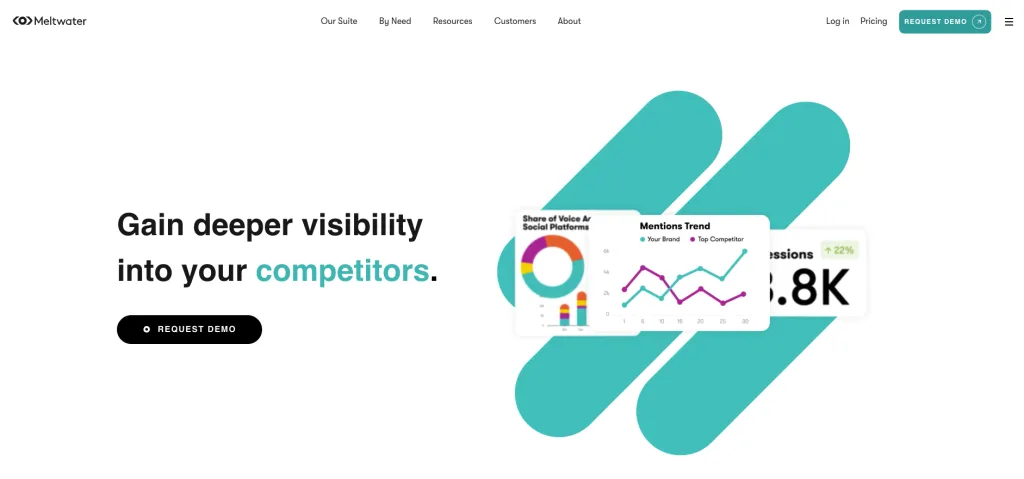
- Social Listening: Track mentions of competitors, keywords, and trends to see what people are saying and spot gaps or opportunities.
- Audience Insights: Learn who your customers are engaging with and what they want, so you can see how competitors are performing with the same audience.
- Influencer Audits: Find out which influencers your competitors collaborate with and how those partnerships play out.
- Brand Reputation & Share of Voice: Measure sentiment, monitor conversations, and benchmark your brand against others in your space.
- Media and PR Intelligence: Identify journalists, bloggers, and podcasters your competitors are working with to expand your reach.
Meltwater turns complex, scattered data into actionable insights. It helps you see where competitors are winning, uncover trends in your market, and make smarter decisions to refine your own campaigns.
Mention
Mention helps you stay on top of your competitors and understand how they operate across products, marketing, and social media. It collects updates from countless sources so you can see changes as they happen, without having to hunt for them yourself.
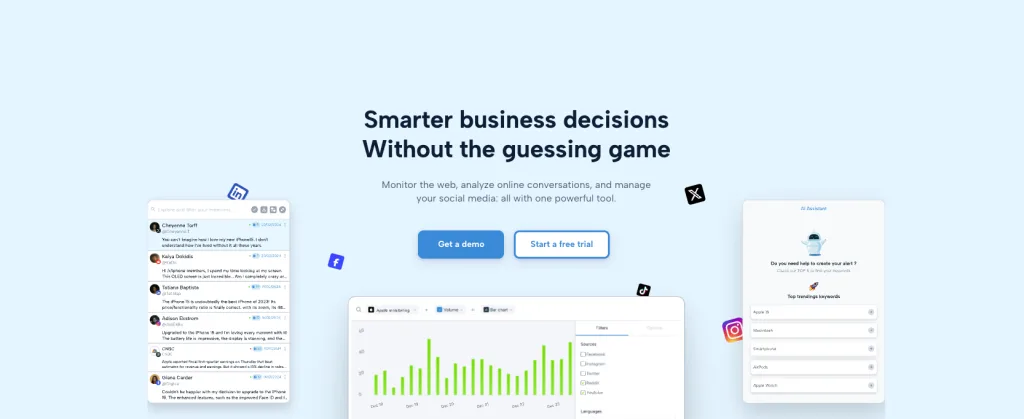
- Monitor Updates: Track product launches, service improvements, and organizational changes to stay informed on your competitors’ moves.
- Social Media Insights: Compare their social strategy to yours, check share of voice, analyze audience sentiment, and see which topics resonate most.
- Influencers & Partnerships: Identify key collaborators and partnerships driving your competitors’ success, so you can shape your own growth strategy.
- Historical Data & Dashboards: Access past data to spot trends over time and create comprehensive competitor reports.
Mention gives you a complete view of your competitors’ activity, turning scattered data into actionable insights. You’ll know where you stand, see opportunities to improve, and make strategic decisions backed by data which helps you outperform competitors and grow your audience more effectively.
Best Competitor Research Tools for Email Marketing
Email and paid campaigns show how competitors reach and convert audiences. Analyzing them helps you learn what resonates and craft better-performing campaigns.
MailCharts
MailCharts helps you see how your competitors approach email marketing so you can make smarter decisions for your own campaigns. It pulls together emails from thousands of brands and gives you tools to benchmark performance, spot trends, and get inspiration for your own strategy.
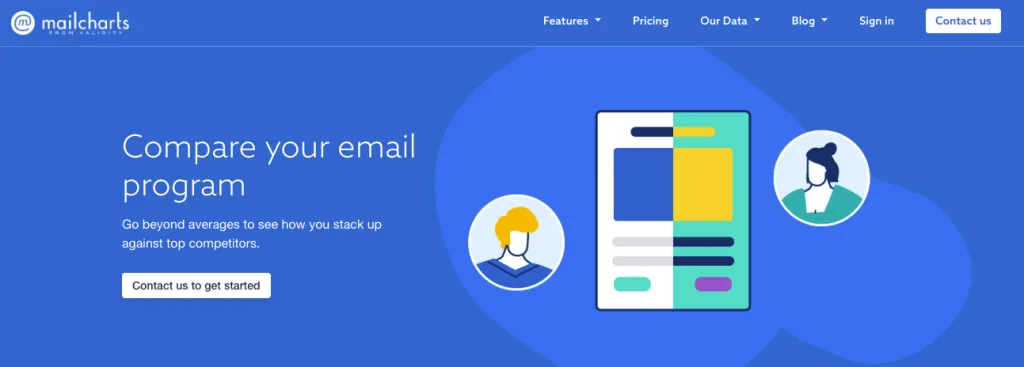
- Compare Email Programs: Analyze key metrics like send frequency, promotional rates, and campaign performance to see how your brand stacks up against competitors.
- Benchmark Against Groups: Create custom groups of competitors, peers, or top performers to get relevant insights for your market.
- Content and Cadence Insights: Browse competitors’ emails to see subject lines, visuals, timing, and overall structure.
- Test and Learn: Use insights from other brands to adjust send times, frequency, and promotional tactics without guessing.
- Historical and Seasonal Analysis: Track performance over time and spot trends in campaigns like holiday promotions or lifecycle emails.
MailCharts saves you hours of manual research by giving quick access to competitor emails and key metrics. You can compare your performance, discover winning strategies, and plan your campaigns with confidence while keeping your team on the same page.
Owletter
Owletter makes competitor email tracking simple. It automatically captures every email a brand sends, stores it with clean screenshots, and highlights the ones that matter most. No more juggling multiple inboxes, now you have everything you need in one place and easy to review.
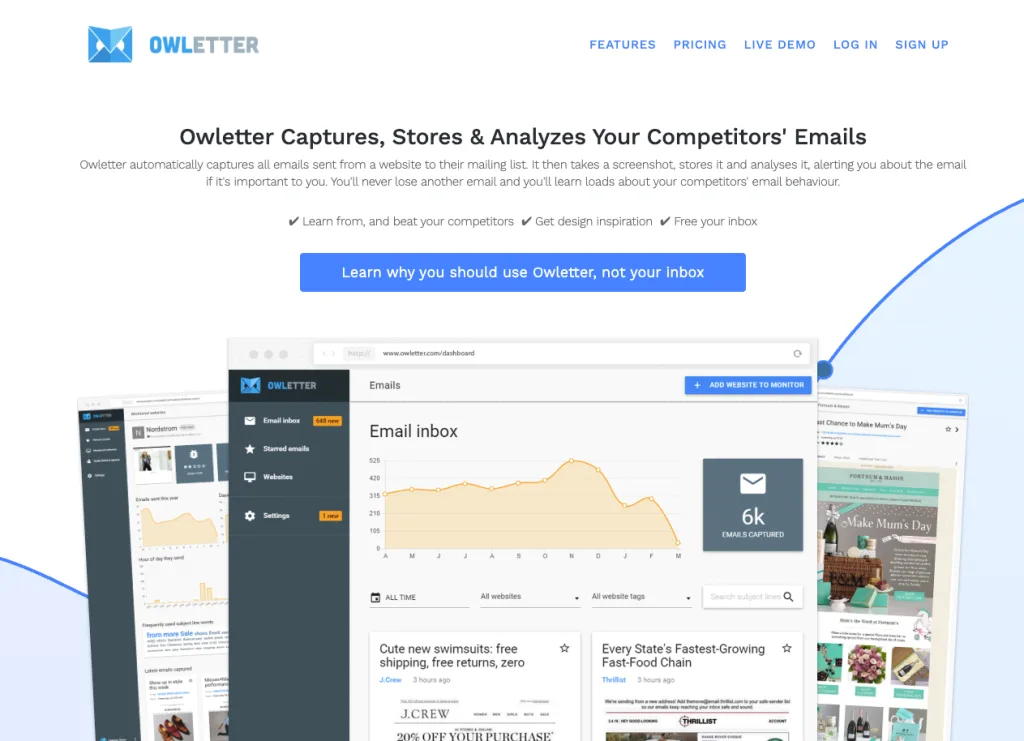
- Inbox Monitoring: Automatically collect competitor emails and keep them in one central space for your team.
- Sending Habits: See how often competitors email their audience and which days or times they prefer.
- Activity Signals: Spot new promotions, product launches, or changes in strategy as they happen.
- Trend Tracking: Look back at past campaigns to understand seasonality and messaging evolution.
Owletter gives you a clear view of competitors’ email behavior so you can find gaps, get inspiration, and improve your own campaigns. Every email is stored forever, accessible to your team, letting you compare past strategies and spot opportunities for better timing, messaging, and offers.
Best Competitor Analysis Tools for Influencer Marketing
Influencers can amplify reach and credibility. Seeing which partnerships work for competitors helps you choose the right creators and plan campaigns that connect with your audience.
HypeAuditor
HypeAuditor helps you get a full picture of how your competitors run influencer marketing campaigns. You can see which creators they work with, what content performs best, and even how much they’re investing in influencer partnerships.
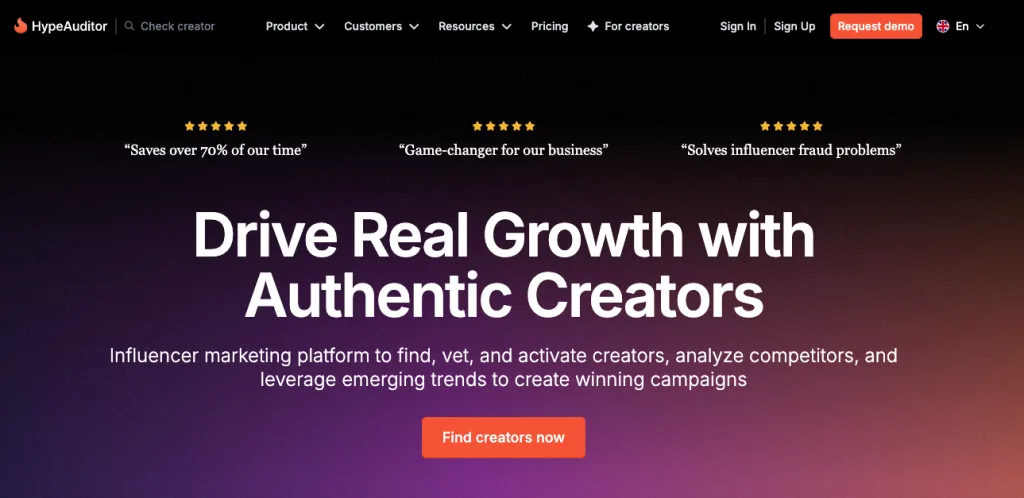
- Campaign Insights: Discover your competitors’ campaign strategies, budgets, and target audiences to see what’s working in your niche.
- Influencer Tracking: Get a complete list of influencers involved in competitors’ campaigns and understand their contribution to performance.
- Content Performance: See which posts and creatives get the most reach and engagement, helping you spot trends and high-performing content.
- Social Listening: Monitor conversations around competitors’ brands, hashtags, and campaigns to stay on top of industry trends.
HypeAuditor gives you the data you need to benchmark your own campaigns against competitors. By analyzing their influencers, content, and audience targeting, you can fine-tune your strategy, reduce guesswork, and make decisions backed by real insights.
Phlanx
Phlanx is a tool for keeping an eye on how competitors are working with influencers and measuring engagement across social media. You can see which creators your rivals are partnering with, how their campaigns perform, and where there might be opportunities to improve your own strategy.

- Competitor Trackers: Compare YouTube, Twitch, and X accounts to see how competitors’ creators perform.
- Brand Mentions: Monitor mentions of your competitors’ brands across social media, blogs, forums, and news to spot trends and campaign launches.
- Engagement Calculators: Check the engagement levels of competitors’ influencer campaigns on YouTube, TikTok, X, and Twitch to see what resonates with audiences.
- Influencer Directory: Find creators worldwide by niche, category, or location.
- Campaign Manager: Plan and manage your campaigns using insights from multiple platforms.
- Collaborations: Partner with other brands and cross-promote for added reach.
- Contract Generator: Quickly create tailored marketing agreements for influencer partnerships.
Phlanx gives you a clear picture of the influencer landscape, showing what your competitors are doing and which creators are driving results. It helps you spot high-performing influencers, refine your partnerships, and make better decisions for your campaigns.
Best Free Competitor Analysis Tools
These free competitor analysis tools are lighter, easy to use, and perfect for small businesses, teams, agencies, or freelancers. They’re also a great way to test a platform and see if it fits your workflow before committing to a paid plan.
- Metricool: Track up to 5 competitors and 50 posts for social media benchmarking.
- Semrush: Run limited daily queries to check competitor keywords, traffic, and basic SEO insights.
- Similarweb: Get top-level traffic, engagement, and channel data for quick competitor benchmarking.
- Ahrefs Webmaster Tools: Compare SEO health, backlinks, and organic visibility using your verified site.
- Mention: Monitor a few competitors for online mentions, sentiment, and share of voice.
- MailCharts: Browse competitor emails for campaign inspiration and timing ideas.
- Owletter: Automatically archive competitor emails to track frequency, timing, and promotions.
How to Choose the Right Competitor Research Tool
Finding the right tool isn’t about picking the fanciest platform. It’s about knowing what you actually need. Are you keeping an eye on social media, SEO, emails, paid ads, or a mix? Once you know that, the choice becomes much simpler.
1. Which Channels Matter Most?
If you’re a DTC brand, social media, email, and paid campaigns might be your focus. For a B2B SaaS company, SEO, content, and LinkedIn could be more useful. Figure out where your efforts matter most and choose a tool that supports those channels.
2. How Much Detail Do You Want?
Do you just want the big picture, like overall trends? Or do you need to dig into specifics, like individual campaigns and posts? Knowing this will help you pick a tool that won’t overwhelm or underdeliver.
3. Budget and Team Size
Tools designed for large agencies or enterprises often come with a higher price tag and a learning curve. If you’re a solo marketer or running a small business, you might want something simpler and more affordable. The right tool fits your team’s size, skill level, and budget without creating extra headaches.
4. Does it Play Well with Others?
If you use analytics dashboards, reporting tools, or a CRM, consider a competitor research tool that can connect with them. Even better, look for one that combines several needs in a single platform, like Metricool for your social media planning, scheduling, analyzing, and reporting. Keeping everything in one place saves time and makes it easier to put your insights into practice.
How to Perform a Competitor Analysis
Knowing what your competitors are doing can feel overwhelming at first. The good news is you don’t need to track everything at once. With a simple, repeatable process, you can gather insights that actually help you improve your strategy and grow your brand.
1. Define Your Competitors
Start by figuring out who matters most in your market.
- Direct Competitors sell similar products or services to the same audience as you.
- Indirect Competitors reach your audience with related or alternative solutions.
Understanding both gives you a better picture of opportunities and gaps you can fill.
2. Collect Data
Next, it’s time to gather information where it counts.
- Social Media: Track engagement, posting habits, and conversations with tools like Metricool, Meltwater, Brandwatch, or Mention. You’ll see what content formats and topics are catching attention.
- SEO: Use Ahrefs, Semrush, or Similarweb to check keywords, traffic sources, and top-performing content. This helps you spot gaps you can target.
- Email and Paid Campaigns: Tools like MailCharts and Owletter let you see competitors’ campaign frequency, offers, and messaging approaches.
Start with the channels that matter most to your brand and expand as you get comfortable.
3. Analyze Strengths and Weaknesses
Now that you have the data, look for patterns and opportunities.
- Content: Which formats and topics get the most engagement?
- Positioning: How are competitors talking about their product or service compared to you?
- Offers and Pricing: Which promotions, bundles, or guarantees stand out?
This step helps you identify areas where your brand can stand out or improve.
4. Turn Insights into Actions
Collecting data is only useful if you act on it. Create a simple matrix or dashboard to track:
- Content gaps you could fill
- Keywords competitors are ranking for that you’re missing
- Channels where you could perform better
- Messaging angles that could differentiate your brand
- Approaches your competitors tried that didn’t work, so you can avoid the same mistakes
Having everything in one place makes it easy for your team to use these insights.
5. Make It a Habit
Competitor analysis is not a one-time task. Set up recurring reports and alerts so you can spot changes, track trends, and adjust your strategy quickly. This keeps your brand responsive and ahead of the market.
Tips for Applying Your Competitor Analysis to Your Marketing Strategy
Collecting data is helpful, but the real progress starts when you turn those insights into choices for your own marketing. Think of this step as moving from observation to action.
- Strengthen Your Positioning: If every competitor leans on the same benefits, look for a more specific angle or a clearer audience focus. This helps your brand stand out without changing your entire strategy.
- Improve Your Content Calendar: Use competitor patterns to guide new ideas. Look at formats that perform well, topics your audience cares about, and gaps you can claim. Take inspiration without copying and build a calendar that reflects your brand voice.
- Refresh Your Campaigns: Study strong email sequences, ad layouts, and landing pages from your market. Borrow the structure, run your own tests, and create variations that fit your brand tone.
- Spot Early Shifts in Your Market: Tools that track social conversations and web traffic can show rising topics, creators, or platforms before they take off. This helps you adapt with confidence rather than rushing to catch up later.
- Share Findings with Product and Sales: Competitor insights matter outside of marketing. Pass helpful patterns and common customer pain points to product and sales teams. This might support better demos, clearer messaging, or improvements that respond to real demand.
The goal is not to chase anyone. Competitor analysis gives you a clearer view of the market so you can make smart choices and build a brand that feels distinct. If you want a simple place to track your competitors and turn insights into next steps, Metricool brings everything into one dashboard.
Metricool for Your Social Media Competitor Analysis
Metricool brings competitor insights into the same space where you plan and measure your own activity, which makes it easier to spot patterns and adjust your strategy without juggling extra tools.
- Compare follower growth and audience trends
- Review posting frequency and publishing habits
- See engagement levels across posts and platforms
- Identify top-performing content formats and themes
- View standout posts and topics driving reactions
While competitor analysis supports your research, the rest of Metricool helps you plan, publish, monitor, and measure your entire social presence from one place.
Content Creation, Planning, and Scheduling
Build out your posts with the visual calendar, write captions directly in the editor, and choose posting times based on your audience data. Metricool highlights the best publishing windows for each platform, making it easier to shape a schedule that fits your goals.
Analytics for Every Channel
Track performance across Instagram, Facebook, TikTok, LinkedIn, YouTube, Pinterest, and more. See growth, reach, engagement, clicks, audience behavior, and content performance in clear charts that help you understand what is working.
Automatic Reporting
Create polished reports in seconds. Choose the metrics you want to include, add your notes, and export them for clients or your team. Reports can run on a schedule, which saves time at the end of each month.
Unified Inbox
Reply to comments and messages across platforms from one screen. This helps you stay on top of conversations without switching apps or losing track of replies.
Team Access, Roles, and Approval Workflow
Invite collaborators, assign permissions, and set up approvals for posts that need review. This keeps your publishing process organized, especially if you work with clients or larger teams.
Paid Ad Creation and Management
Plan, publish, and track ads for Meta, Google, and TikTok without leaving Metricool. Compare results across channels and adjust your spend based on performance.
AI Caption Generator in Your Brand Voice
Use Metricool’s AI assistant to draft captions, rewrite ideas, or repurpose content for different platforms. You can guide the tone so the content fits your brand and stays consistent with what your audience expects.
Metricool gives you everything you need to research your market, plan your content, manage conversations, and measure results in one place. If you want a smoother workflow and a clearer view of your competitors, it’s a strong tool to build into your daily routine.
Competitor Analysis Tools FAQ
What is a competitor analysis?
A competitor analysis is a way to see how other brands present themselves online and offline. It looks at content, products, pricing, and messaging. By spotting what works for them and where they fall short, you can identify opportunities to improve your own strategy and stand out in your market.
How do I choose the right tool for a competitor analysis?
Choosing the right tool starts with knowing the channels you care about most. If social media performance matters, a tool like Metricool gives you insights into posting habits, engagement, and content trends. If SEO and website traffic are your focus, tools like Ahrefs or Semrush can show you keyword performance and top pages. Pick a tool that fits naturally into your workflow and saves time instead of adding complexity.
What is the best tool for competitor analysis?
The best tool depends on what you want to track.
- Metricool: Social media performance, posting habits, engagement, and content trends.
- Ahrefs, Semrush, Similarweb: SEO, traffic, backlinks, and paid search insights.
- Brandwatch, Meltwater, Mention: Social listening and monitoring online conversations.
- MailCharts, Owletter: Email campaigns and competitor newsletters.
- HypeAuditor, Phlanx: Influencer marketing performance and campaigns.
Combining a few of these tools can give you a complete picture without overwhelming your workflow.
How do I perform a competitor analysis?
Performing competitor analysis is simpler if you follow a step-by-step approach.
- Choose your competitors: Include both direct competitors selling similar products and indirect competitors reaching your audience in different ways.
- Collect data: Track social posts, SEO rankings, email campaigns, paid ads, and influencer activity with the right tools.
- Analyze strengths and weaknesses: Look at engagement, content performance, messaging, and promotions.
- Turn insights into action: Identify content gaps, missing keywords, underused channels, or messaging angles to differentiate your brand.
- Make it a habit: Set up recurring reports or alerts so you can spot trends, track changes, and adjust your strategy over time.
