

Social Media Marketing Guide for Real Estate: How to Get Leads
 Kalum
30 January 2026
Kalum
30 January 2026 
In 2026, the way people search for, view, and ultimately trust a real estate professional has undergone a massive transformation. For those who want to grow their business, understanding the intricacies of social media marketing for real estate is no longer a side project; it is the primary way to build a pipeline of qualified buyers and sellers.
Success this year depends on your ability to stop acting like a billboard and start acting like a local guide. The digital space for property professionals has moved far beyond simply posting a photo of a “For Sale” sign and waiting for the phone to ring. If you want to know how to get real estate leads on social media, you have to focus on two things: searchability and human connection. This guide will walk you through the strategies, platforms, and content types that are actually moving the needle for agents and agencies right now.
The 2026 Shift: Why Strategy Beats Volume
The way people use social media has changed. Public feeds are more crowded than ever, which has led users to move their most important conversations into private spaces like DMs, broadcast channels, and niche community groups. Total user numbers are still climbing, with over 5.6 billion active identities globally. However, the “scroll” has become more intentional.
In real estate social media marketing, this means you cannot rely on generic posts. You need a strategy that treats every platform as a searchable discovery engine. When a potential buyer looks for “best neighborhoods in Austin” or “how to buy a first home in 2026,” your content needs to be the answer they find.
Choosing Your Platforms with Purpose
You do not need to be everywhere. It is much better to master two platforms than to be mediocre on five. Here is where the high-intent real estate audience is spending their time in 2026.
Instagram: The Visual Portfolio
Instagram remains the visual heart of the industry. However, the focus has shifted from the main feed to Reels and Broadcast Channels.
- Reels: These are your primary tool for discovery. Short, educational clips or high-quality property tours allow you to reach people who do not follow you yet.
- Stories: This is where you build trust with your existing followers. Share the “messy” behind-the-scenes moments, closing day celebrations, and quick market updates.
- Broadcast Channels: This is a newer way to nurture your most loyal leads. You can send direct updates about new listings or “off-market” opportunities directly to a group of interested followers.
While these are the formats you should be focusing on, it doesn’t mean you can just post carelessly and get real estate leads on Instagram. Our 2026 Social Media Study found that both Reels (-39%) and Stories (-6%) declined in terms of impressions, so it’s important to post with a strategy. Check out our guide below for more help:
TikTok: The Personality Engine
TikTok is where you show your human side. The algorithm favors authenticity over production value. In 2026, agents are using TikTok to explain the “why” behind market shifts or to give raw, unfiltered tours of unique properties. It is an excellent place to build a personal brand that feels approachable and knowledgeable.
Facebook: The Community Hub
While it might feel “old school” to some, Facebook remains a powerhouse for real estate social media marketing. Its strength lies in its groups and targeted advertising. Local “Mom and Dad” groups or neighborhood watch pages are where the real conversations about moving happen. Facebook’s ad platform also provides the most robust tools for reaching specific zip codes and demographics.
LinkedIn: The Referral Network
Do not ignore LinkedIn. This is where you connect with other professionals, relocation specialists, and high-net-worth investors. Sharing market reports and data-driven insights here positions you as an authority, making you the first person people think of when they have a client moving to your area.
How to Get Real Estate Leads on Social Media
Generating leads is about more than just getting “likes.” You need a clear path that takes a viewer from a casual scroller to a name in your CRM. Here is a step-by-step blueprint for building that funnel.
Step 1: Optimize for Search (Social SEO)
In 2026, social media platforms function like Google. People search for specific terms within the apps.
- Your Profile: Your name should include your location and your job title (e.g., “Jane Doe | Miami Real Estate Agent”).
- Captions: Instead of using 30 random hashtags, write long, descriptive captions that include keywords like “homes for sale in [City]” or “real estate market trends 2026.”
- On-Screen Text: The AI in these apps can read the text on your videos. Make sure your titles are clear and keyword-rich.
Step 2: Use Lead Magnets in Your Bio
Your “link in bio” is your most valuable piece of digital real estate. Instead of just linking to your website homepage, offer something of value in exchange for an email address.
- Examples: “The 2026 First-Time Buyer Checklist,” “Free Home Valuation Tool,” or “A Local’s Guide to [Neighborhood] Schools.”
Step 3: Mastering the “Speed to Lead”
If someone comments on a post or sends a DM asking about a property, you have a very narrow window to respond. Data shows that responding within 5 minutes increases your chances of conversion. Use automated DM tools to send an immediate, helpful response that lets the lead know you have received their message and will be in touch shortly.
Step 4: Retargeting Ads
Once someone has engaged with your content or visited your website, you should use retargeting ads. This keeps your face and your listings in front of them as they continue their search. In 2026, AI-driven ads can automatically show users the specific types of properties they have previously viewed on your page.
Real Estate Social Media Post Examples
If you are staring at a blank screen, wondering what to post, use these real estate social media posts examples to fill your calendar. The goal is to follow the 80/20 rule: 80% of your content should provide value, and only 20% should be a direct sales pitch.
The “Educational” Post
- The Hook: “3 things I wish I knew before buying a home in 2026.”
- The Content: A 60-second video explaining common mistakes like over-extending a budget or skipping a professional inspection.
- The Goal: To position yourself as a helpful expert, not a salesperson.
The “Hyperlocal” Spotlight
- The Hook: “Is [Neighborhood Name] actually worth the hype?”
- The Content: A carousel of photos featuring the best local coffee shop, the quietest park, and a quick summary of recent sales prices in that specific area.
- The Goal: To prove you are the go-to expert for that specific community.
The “Before and After” Staging
- The Hook: “See how $2,000 in staging added $20,000 to the sale price.”
- The Content: A transition video showing an empty, cold room becoming a warm, inviting living space using AI-assisted staging or physical furniture.
- The Goal: To show potential sellers the tangible value you bring to the table.
The “Day in the Life” (Human Premium)
- The Hook: “What a Tuesday as a real estate agent really looks like.”
- The Content: A series of short clips: morning coffee, prepping for an open house, a quick lunch in the car, and a late-night negotiation.
- The Goal: To build a personal connection and show how hard you work for your clients.
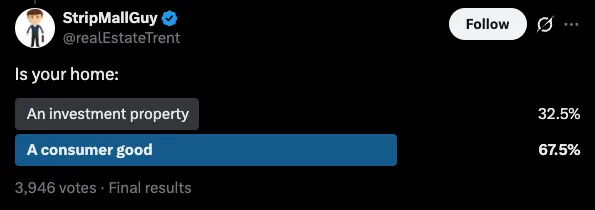
The “Interactive” Poll
- The Hook: “Modern Farmhouse or Ultra-Modern: Which kitchen would you choose?”
- The Content: An Instagram Story with a poll sticker featuring two different interior styles.
- The Goal: To boost engagement and get the algorithm to show your future posts to more people.
The Role of Video in 2026
If you are not using video, you are invisible. In 2026, short-form video is the primary way that property seekers consume information. However, you do not need a film crew.
“Lo-fi” video (content shot on a smartphone that feels raw and real) is currently outperforming high-budget productions. People want to see the “real” house, not a filtered, wide-angle version that hides the flaws.
| Video Type | Best Platform | Key Goal |
| Walkthrough | Instagram Reels | Give a “vibe” check of the home’s flow. |
| Market Update | TikTok | Explain complex data in simple terms. |
| Neighborhood Tour | YouTube Shorts | Show the lifestyle outside the front door. |
| Testimonial | Build social proof through happy clients. |
Which Metrics Should You Actually Track?
Stop worrying about follower counts. In 2026, “vanity metrics” aren’t gonna pay the bills. If you want to see if your social media marketing for real estate is working, focus on these data points:
- Saves: When someone saves a post, it means your content was so valuable they want to refer back to it later. This is a high-intent signal.
- DMs (Direct Messages): This is where the real lead generation happens. Tracking the number of property inquiries coming through your inbox is the best way to measure ROI.
- Link Clicks: Are people actually moving from your social profile to your lead magnets or listings?
- Watch Time: For video content, look at where people stop watching. This helps you refine your hooks and keep people engaged longer.
Metricool enables you to track all of these Metrics across all networks in one place. Sign up for FREE with the button below to start making the most of your social media content for real estate.
Building a Sustainable Pipeline
The future of social media in the real estate sector is defined by those who can blend technology with true personality. By focusing on search-optimized content, creating value-driven posts, and engaging authentically in private spaces, you can turn your social profiles into a 24/7 lead generation machine.
Remember that real estate is built on trust. Social media is simply the bridge that allows you to build that trust at scale. Use the tools available to be efficient, but use your unique perspective to be irreplaceable.
