

2026 Instagram Marketing Strategy: Business Guide
 Kalum
18 June 2026
Kalum
18 June 2026 
Instagram has gone from a personal photo-sharing app to one of the most important places a brand can show up, with more than 2 billion monthly users. It’s where brands build their identity, reach new customers, and talk to the people who already follow them through visual-first content. In 2026 brands are publishing 24% more than they did the year before, and it’s working: views are up 27% and interactions are up 19% across the platform. Posting more pays off when the content is built to connect.
This guide walks through why Instagram marketing matters for business, how to set up a professional account, the content types worth using, and how to put together a strategy that holds up.
How Is Instagram Marketing Effective for Business?
Instagram marketing uses the platform’s reach to build brand awareness, talk to your audience, generate leads, and drive sales. You can combine Instagram’s features into a single approach that supports your wider social media marketing.
Done well, it lets your brand engage directly with customers, reach people beyond your current following, and turn that attention into higher-quality conversions. It’s also still one of the better platforms for growth. Across every network in 2026, only TikTok beats Instagram for moving accounts up a tier, and growth is most achievable when you’re under 10,000 followers and posting with a clear strategy.
Creating Your Professional Instagram Account
The first step in any Instagram marketing strategy is setting up a professional account.
Instagram accounts are either personal or professional, and there are two kinds of professional account: Business and Creator. Creator accounts suit public figures, influencers, and artists. Business accounts are built for companies looking for new customers.
To create a professional Instagram Business account:
- Download and open the Instagram app, or sign up on the Instagram desktop site.
- Log in if you already have a personal account, or sign up with your email and phone number.
- Open settings by tapping the three horizontal bars in the top right of your profile, then go to “For professionals” → “Account type and tools.”
- Choose “Switch to professional account” to convert the account you’re in, or “Add new professional account” to set up a separate one.
- Pick the category that best describes your brand or business.
Why a Professional Account Matters for Instagram Marketing
Professional accounts give creators and businesses access to tools, analytics, and features that shape your whole Instagram strategy.
When you switch to a professional account, you can use:
- Data Insights: See analytics about your audience, your followers, engagement, and how each post performs.
- Promote Posts: Boost a post’s visibility straight from the app to reach beyond your followers.
- Instagram Shopping: Tag products so people can buy through the platform.
- Contact Options: Add several ways for customers to get in touch directly from your profile.
Verifying Your Professional Instagram Account
There are two ways to verify a professional Instagram account. Depending on your brand, content, and eligibility, you might qualify for one or both.
- Apply for the Verification Badge: Public figures, celebrities, and notable brands can apply. Under settings, go to “For professionals” → “Account type and tools” → “Request verification.”
- Sign Up for Meta Verified: This is a paid subscription that confirms your account and adds extra features. Eligible personal and business accounts can sign up under “For professionals” in settings.
Types of Content for Your Instagram Business Marketing Strategy
A strong Instagram strategy uses different types of content. Mixing organic posts, paid ads, influencer marketing, and Instagram Shopping helps your brand reach more people, connect with new audiences, and give followers a better experience.
Organic Instagram Content
Organic content is anything you share on your profile without paying to promote it. It’s how you build a real connection with your audience, show your brand’s personality, and engage people without selling at them.
Types of Organic Content
It’s worth posting across formats so you reach more of your audience. The data also shows each format now does a different job, so the mix matters more than it used to.
- Instagram Posts: Single photo or video posts that appear on your profile and in followers’ feeds. They still have a place, but use them when there’s a reason to. Single-image posts have lost ground this year, especially for larger accounts.
- Carousels: Several photos or videos in one post. Carousels beat single-image posts on every metric, with more than double the reach and views, almost 4x the interactions, and 9x more saves. Instagram keeps re-serving them to people who didn’t engage the first time, which stacks up views over time.
- Stories: Content that disappears after 24 hours, good for behind-the-scenes moments and time-sensitive promotions. Stories have quietly become a connection channel. Replies have nearly doubled since 2025 and people are watching to the end more often, so they’re worth using to talk with your community, not just to broadcast.
- Reels: Short videos set to music or original audio. Reels are Instagram’s strongest format in 2026 and the only one whose engagement rate is growing. The average Reel gets over 4x the interactions of a single-image post, shares are up 67%, and average watch time more than doubled, from 4 to 8.5 seconds. It’s the format most worth getting right this year.
- Instagram Live: Real-time video where you can talk to viewers through comments and questions, which is great for community building.
- Collaborative Posts: A post shared with another account that appears on both profiles, extending your reach to their audience.
- Long-Form Video: Instagram folded its old IGTV format into the main app, so longer videos now live alongside the rest of your video content. Use it for tutorials, in-depth stories, or product walkthroughs.
Instagram SEO: Your Business Marketing Advantage
How people find content on Instagram has changed, and it’s reshaped what organic reach looks like.
Hashtags are losing their pull. Posts that use them get about 31% fewer views and 33% fewer interactions, though that’s a correlation rather than proof that hashtags cause the drop. It lines up with where Instagram has been heading: the option to follow hashtags was removed in late 2024, and by late 2025 posts were capped at five hashtags. Adam Mosseri, head of Instagram, has said more than once that hashtags don’t boost reach. They still have a place, but use one or two relevant tags tied to your topic, not a generic wall of them.
What matters now is the words you actually write. Instagram indexes captions through keyword search, and since July 2025 public posts also show up in Google and Bing results. Natural language in your captions works for you on and off the platform, especially when you include terms related to your business, which makes Instagram SEO part of the job now.
A few ways to get more organic reach:
- Know Your Audience: Understand what they care about so your content is relevant to them.
- Set Clear Goals: Define specific objectives to guide your content.
- Content Pillars: Choose a few themes you’ll post around consistently.
- Content Variety: Move between posts, Stories, Reels, Live, and longer video.
- Write for Discovery: Use natural keywords and clear captions so people and search engines can find you.
- Engage with Your Audience: Reply to comments, run Q&As, and ask questions to start conversations.
- User-Generated Content: Share content your followers create to build trust.
- Collaborate: Partner with creators or brands to reach new audiences.
- Analyze and Adapt: Use your analytics to refine what you post.
- Stay Current: Keep up with Instagram’s trends and features.
How to Set Up Your Brand’s Instagram Profile
Your profile is the first thing people see when they find your account or search a term related to your industry. A clear profile helps more of them find and follow you.
- Profile Picture: Use a recognizable logo or brand image.
- Username and Name: Include your brand name and, where it fits, a keyword related to your business.
- Bio: Say what your brand does in a few words, work in relevant keywords, and add a call to action plus a link to your site or a landing page.
- Highlights: Group important content like products, testimonials, or FAQs into Story highlights.
- Content Strategy: Match your content to your brand goals and your audience’s interests, and keep your style, tone, and posting rhythm consistent.
- Engagement: Reply to comments and messages. Quick engagement tells the algorithm your content is worth showing to more people.
Paid Instagram Content
Paid content covers sponsored posts and ads that reach people beyond your followers. These can show up in feeds, Stories, the Explore tab, and more. Handled well, paid content adds real visibility and supports goals like site traffic, leads, and sales.
Types of Instagram Ads
Different ad formats serve different goals and audiences:
- Image Ads: A single photo that tells your brand’s story.
- Video Ads: More engaging than image ads, up to 60 seconds.
- Carousel Ads: Let people swipe through several images or videos.
- Collection Ads: Let people buy products straight from the ad.
- Stories Ads: Full-screen ads between users’ Stories.
- Explore Ads: Appear in Explore, where people find new content.
- Reels Ads: Short video ads between Reels.
- Shopping Ads: Show off products and let people learn more or buy in a few taps.
Managing Paid Content as Part of Your Strategy
- Define Your Objectives: Decide what you want, from awareness to sales. That choice shapes your format, targeting, and budget.
- Targeting: Instagram lets you target by demographics, interests, and behavior. You can also build custom audiences from site visitors, or lookalike audiences similar to your current customers.
- Budgeting: Set a daily or lifetime budget and choose between cost-per-click or cost-per-impression billing.
- Creative: Build ad creative that fits your brand voice and your campaign goal.
- Testing: Run A/B tests across formats, creatives, and targeting, then use your analytics to improve results.
- Scheduling: Run ads when your audience is most active. Tools like Metricool can automate this.
- Compliance: Follow Instagram’s ad policies to avoid disapprovals.
- Work with Your Organic Strategy: Keep paid and organic balanced so your message stays consistent and you don’t bury followers in ads.
Affiliate Marketing on Instagram
Affiliate marketing rewards partners for each visitor or customer they send your way. Affiliates promote your products and earn a commission on the sales or leads they generate through a unique link.
It’s a popular setup: brands spread awareness while creators earn passive income by recommending products they actually believe in.
To get started:
- Switch to a professional account.
- Find affiliate partners or programs.
- Create content around products that fit your audience.
- Share an affiliate code or link in posts, Stories, Reels, and your bio.
- Track and refine your affiliate posts with analytics tools like Metricool.
Instagram Influencer Marketing
Influencer marketing is where brands work with creators to reach a specific audience. You partner with people who have an engaged following and let them promote your products in their own voice, through photos, videos, giveaways, and Stories.
Benefits of Instagram Influencer Marketing
- Builds trust by tapping into an influencer’s loyal following.
- Uses Instagram’s visual strengths to show products well.
- Gives you creative flexibility across formats.
- Works your product naturally into storytelling.
- Opens up niche markets and specialized communities.
Types of Influencers
Influencers can be divided into different types, depending on their follower count and reach. Choosing to work with influencers that have different account sizes can be beneficial depending on your brand’s marketing goals.
- Nano-Influencers: 1,000–10,000 followers: Nano-influencers often have higher engagement and authenticity due to their smaller following size. They may also be more cost-effective than larger influencers.
- Micro-Influencers: 10,000–100,000 followers: Micro-influencers are known for their niche expertise and loyal audience, making them effective in promoting niche products and services to a more engaged following. They often have a more personal connection with their followers, leading to higher levels of trust and reliability in their recommendations.
- Mid-Tier Influencers: 100,000–500,000 followers: Mid-tier influencers offer a balance between reach and engagement at a more affordable rate compared to macro or mega-influencers. They bring experience and a trusted reputation to collaborations, offering brands the opportunity to partner with influencers who can boost engagement effectively.
- Macro-Influencers: 500,000–1 million followers: Macro-influencers offer brands a large reach due to their substantial follower count, making them suitable for campaigns that require broad visibility. They can leverage their reputation to attract followers and drive engagement for brands looking to tap into a wider audience base.
- Mega-Influencers: 1 million+ followers: Mega-influencers are highly visible on social media platforms due to their celebrity status and massive follower count. Brands benefit from the association with mega-influencers who can attract attention and create buzz around products or services due to their widespread influence. Think Mr Beast, Kylie Jenner… the big names.
Steps to Manage Influencer Marketing
- Define Goals and Audience: Set objectives that match your audience’s interests.
- Choose the Right Influencers: Look at brand fit, audience, engagement rates, and authenticity.
- Run an Audit: Check content consistency and audience interaction using Instagram Insights or a third-party tool.
- Collaborate Creatively: Build content that fits both their audience and your message.
- Measure Results: Track views, comments, shares, clicks, conversions, revenue, promo codes, followers, and reach.
Instagram Shopping
Instagram Shopping lets businesses connect with customers and sell straight through the platform. You can tag products in posts with names, prices, and purchase links, which makes buying simpler for the people who follow you.
Benefits of Instagram Shopping
It turns followers into customers more easily, creates a more personal shopping experience, and puts your products in front of a wider audience. Features like the Shop tab, product tags, curated collections, product pages, and direct checkout all smooth out the path to purchase.
Setting Up Instagram Shopping
Start by switching to a business profile and building a product catalog. Instagram reviews your account for compliance before turning the feature on, so it can take some time. Once your goals are clear, decide how you’ll reach them and what kind of content you’ll share.
How to Create an Instagram Marketing Strategy for Your Business
Now that we’ve covered the content and marketing options, here’s how to build your own strategy.
Know Your Audience
Dig into audience research with Instagram Insights or a tool like Metricool to learn your followers’ age, gender, location, and when they’re online. Build audience personas so you can picture who you’re talking to. Polls, questions, and direct messages give you useful qualitative detail too.
Analyze Your Instagram Competitors
Study your competitors to spot their strengths, weaknesses, and tactics. Look at their content, engagement rates, and follower growth, and watch for gaps your brand could fill. Metricool can track competitor posts and engagement for you
Understand the Instagram Algorithm
The algorithm favors content that earns quick engagement and content from accounts people interact with often. In 2026 it also does something worth planning for: it brings posts back to people who didn’t engage the first time, and it rewards saves and shares as signs your content is worth spreading.
This is also why impressions no longer exist on Instagram. Since April 2025 a single views metric covers every format, and it counts repeat appearances, replays, and reopens. A recipe someone saves or a Reel they rewatch all add to your views.
Timing within the post’s life matters too. About 70% of a post’s views happen in the first three days. For Reels, 65% of views and 61% of interactions land in that window. For single-image posts and carousels, it’s even tighter at 76% of views and 75% of interactions. Your content needs to catch attention fast, because after day three the algorithm gradually moves on.
To work with all this, engage with your audience soon after posting, ask them to join the conversation, and make content people want to save and share. High-quality visuals and clear captions help. So does user-generated content. Check Instagram’s announcements now and then so platform changes don’t catch you out.
Develop Your Content Creation Plan
Build a plan that fits your brand identity, your audience, and your goals. Consistency in style, tone, and message is what builds a recognizable presence.
Let the format do its job. Reels carry reach and interactions, carousels stack up views and saves, and single-image posts work when there’s a clear reason to use one. Balance promotional posts with content that gives something back, so you’re not only selling.
Time Your Posts for Better Engagement
The best time to post on Instagram is between 7 p.m. and 9 p.m., any day of the week, when the most people are online. Post well outside that window and you could be leaving views and reach behind.
How often you post depends on your size. Smaller accounts tend to peak when posting 7 to 14 times a week, and medium accounts a bit higher at 14 to 30. Accounts over 100,000 followers usually do better posting less, since more posts split the same audience’s attention. These are global patterns, so check your own analytics in Metricool for the times and frequency that fit your audience, and use scheduling to keep a steady rhythm even outside business hours.
Set Your Metrics to Measure Success
You can’t build a strategy without knowing your goals, and the simplest way to track one is through metrics and KPIs. These show how you’re doing and let you benchmark against competitors and leaders in your market. As your strategy grows, your metrics should grow with it.
Instagram metrics you can track with Metricool:
- Engagement Rate: How well your content connects with your audience.
- Reach and Views: Reach is the number of unique people who saw your content. Views count every time it was played, opened, or shown, including repeats.
- Click-Through Rate: The share of people who clicked a link or CTA.
- Conversion Rate: The share of people who completed an action you wanted.
- Follower Growth: How fast your following grows over time.
- Keyword and Hashtag Performance: Which terms and tags drive engagement and help people discover you.
Two things move comments and saves more than almost anything else, and they’re easy to act on. Posts with a question get about 37% more comments, and when your caption asks people to comment or save, comments roughly triple and saves nearly double. Asking for likes does the opposite and slightly lowers them, so save your CTAs for the interactions that build a relationship.
Instagram Marketing Strategy FAQs
How Do I Create an Instagram Marketing Strategy For My Business?
Start by defining your goals and understanding your audience. Then analyze competitors, learn how the Instagram algorithm works, and build a content plan that includes a mix of organic and paid content. Finally, track performance using key metrics like engagement, reach, and conversions to refine your Instagram marketing strategy over time.
Do I Need a Professional Account to Market on Instagram?
Yes, switching to a professional account is highly recommended. It unlocks essential tools like analytics, ad capabilities, contact options, and Instagram Shopping features, all of which are crucial for an effective marketing strategy.
What Type of Content Performs Best on Instagram?
The Instagram content that performs best depends on your goals. Short-form video content like Reels typically drives the highest reach, while Stories and carousel posts are great for engagement. A strong strategy includes a mix of content types to keep your audience engaged and maximize visibility.
How Does the Instagram Algorithm Work in 2026?
The algorithm prioritizes content that gets quick engagement (likes, comments, shares) and content from accounts that users interact with often. Posting consistently, using relevant hashtags, and encouraging interaction can help improve your reach and performance.
Is Instagram Marketing Worth It for Small Businesses?
Instagram marketing is absolutely worth it for small businesses! With billions of users on the platform, Instagram offers massive reach and targeting options. Even small businesses can grow their customer base, build brand awareness, and drive sales with the right strategy and consistent effort.
Build Your Instagram Marketing Strategy with Metricool
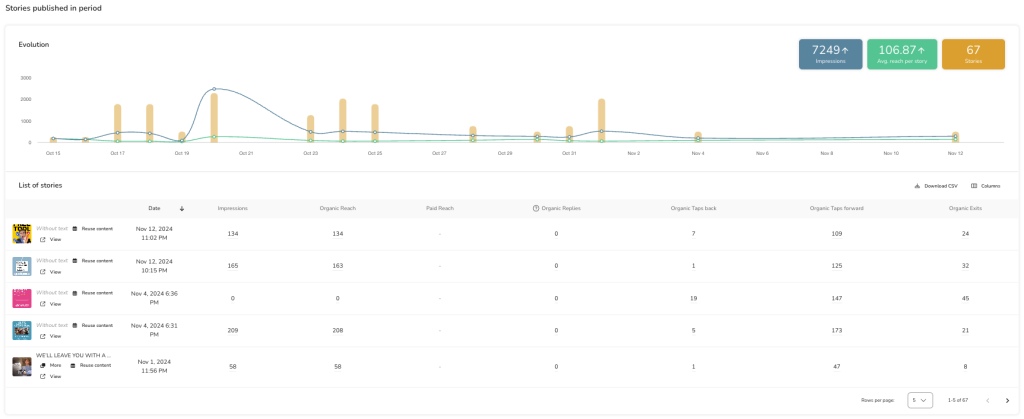
Nine ways Metricool helps you manage your brand’s Instagram marketing:
- Unified Management: Handle scheduling, analytics, and engagement from one platform.
- Advanced Analytics: Get insight into post engagement, audience demographics, community growth, and more.
- Scheduling and Publishing: Schedule and auto-post content, with timing recommendations based on when your followers are active.
- Performance Reports (Premium Accounts Only): Build fully customizable reports for the Instagram metrics you care about.
- Competitor Analysis: Track and compare how competing brands grow on Instagram.
- Team Collaboration: Give team members role-specific access to manage strategy and community.
- SmartLinks: Get more from your single bio link with a layout built for clicks and conversions.
- Instagram Ads Management: Run ads, track performance, and control budget in one place.
- Cross-Platform Management: Schedule and manage content across every major social platform, so your whole social media strategy lives together.
