

Understanding Your Social Media Performance Metrics Without Losing Momentum
 Gretchen Oestreicher
16 March 2026
Gretchen Oestreicher
16 March 2026 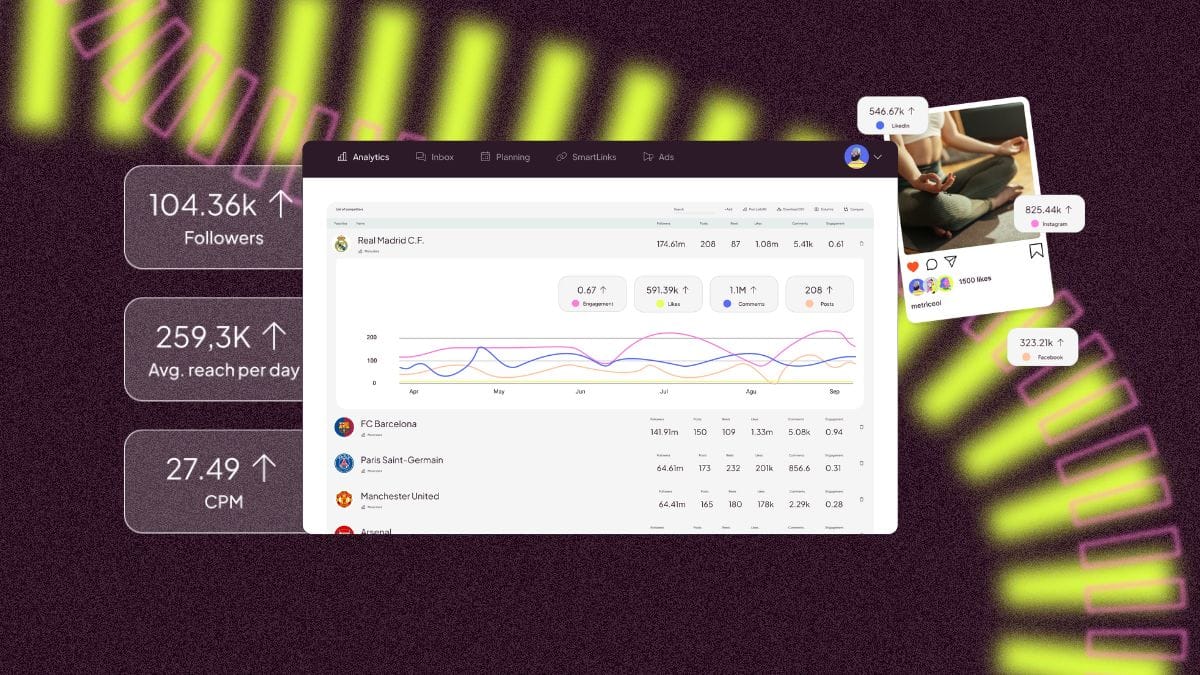
Social media performance metrics help you understand what’s happening with your content. They show what reaches people, what sparks conversation, and what falls flat.
At the same time, constant measurement can change how creative work feels. Every post carries visible numbers. Views, followers, engagement, and reach appear right next to the content itself. Over time, those numbers start influencing how ideas are planned and evaluated.
In this article, we’ll look at how social media performance metrics can affect creativity, what recent data reveals about the pressure many professionals feel, and how to keep metrics useful without letting them drain your creative energy.
When Social Media Performance Metrics Become A Scoreboard
Numbers have always been part of marketing. Social media simply made those numbers immediate and visible to everyone.
Research from Metricool’s Social Media Well-Being Study shows how closely performance expectations and stress are connected:
- 50% of creators link stress directly to performance expectations
- 48% say algorithm changes make them feel anxious
- 43% say comparing results with others affects their sense of achievement
- 73% report that stress reduces motivation or creative energy
Those numbers reflect something many social media professionals already experience during their day-to-day work.
Metrics are meant to guide strategy. They help explain what resonates with an audience and where a content plan might need adjustment. Over time, though, it becomes easy to interpret those numbers more personally. A strong post can feel validating. A weak result can make you question the idea, the timing, or the format.
Once that pattern sets in, creativity starts to feel like a public evaluation rather than a process of exploring ideas.
The Algorithm Anxiety Effect
Almost half of creators say algorithm changes increase their stress.
Algorithms decide what appears in feeds and how widely a post travels. Even small adjustments can affect social media performance metrics. Reach might drop even when your posting schedule and content style remain consistent.
For freelancers, creators, and social media managers juggling several accounts, that unpredictability adds real pressure. Planning content becomes harder when the environment keeps shifting.
Many professionals respond in a similar way. They lean toward formats that have worked before.
A creator who once experimented with different storytelling approaches might repeat the same structure more often. A small brand that developed a distinctive style may start adjusting posts to match current trends.
The reaction makes sense. Familiar formats feel safer when visibility depends on changing systems. The downside is that creative exploration often shrinks when experimentation feels risky.
The Competitor Comparison Spiral
Social media performance metrics are easy to compare. Follower counts, views, and engagement numbers are visible to anyone scrolling through the platform.
Around 43% of creators say comparing their results with others affects their sense of achievement.
Picture a small business celebrating steady progress. Engagement improves month after month and the audience is responding well. Then a competitor publishes a post that goes viral. Suddenly that steady growth feels less impressive.
Creators run into the same experience. A video performing well for their usual audience might still feel disappointing after seeing another account in the same niche reach a much larger audience.
Client work can amplify this pressure. Social media managers often present results alongside visible competitor metrics. Stakeholders naturally want to know why one brand gained more reach than another.
The numbers themselves are not the problem. The constant comparison surrounding them can slowly shift how success feels.
When Metrics Start Shaping Creative Decisions
Creative strategies rarely change overnight. Small adjustments build up over time.
Teams begin choosing ideas that feel predictable. Trend participation increases because it offers a clearer path to reach. Experimental concepts stay in drafts longer than planned.
You can see this pattern across many industries.
- A coach known for educational carousel posts begins prioritizing trending audio formats.
- A local restaurant copies viral video styles from other niches.
- A freelance social media manager avoids pitching experimental ideas to a client because safe formats feel easier to explain in reports.
These decisions are understandable when social media performance metrics are constantly under review. Over time, though, a brand’s original voice can fade if every decision revolves around short-term performance.
How To Use Social Media Performance Metrics Without Affecting Creative Energy
Metrics are still valuable. They help you understand your audience and improve your content strategy. But, what matters most is how you approach those numbers.
Here are a few practical ways to keep analytics helpful without letting them dominate the creative process.
1. Look At Patterns Instead Of Individual Posts
A single post rarely tells the full story.
Reach, impressions, and engagement fluctuate from day to day. Reviewing several posts together gives you a clearer picture of how your audience responds over time.
Many social media managers group content by campaign or format when analyzing results. A dashboard like Metricool makes this easier by showing performance across multiple platforms in one place. When you can see patterns instead of isolated numbers, decision-making becomes calmer and more consistent.
2. Define What Success Means Before Publishing
Publishing content without clear expectations can make any result feel uncertain.
Before posting, decide what success looks like for that piece of content. A brand launching a new series might focus on meaningful discussion in the comments. A creator testing a video format might track watch time across several posts rather than judging a single result.
Setting these benchmarks ahead of time makes social media performance metrics easier to interpret later.
3. Leave Space For Creative Experiments
Creative work improves when there is room to test ideas.
Some teams dedicate a recurring spot in their calendar for experimental content. That might include behind-the-scenes posts, storytelling about the brand’s journey, or simple community questions.
Not every experiment will reach a wide audience. That’s normal. These posts often reveal what your audience cares about in ways traditional metrics don’t always capture.
4. Create A Routine For Reviewing Metrics
Constantly refreshing analytics can interrupt creative thinking.
Many social media professionals prefer a simple rhythm. A quick daily review keeps you aware of overall performance, while a deeper weekly review helps identify trends.
Tools like Metricool simplify this process by gathering social media performance metrics from multiple platforms into one dashboard. Seeing everything together makes it easier to focus on patterns rather than reacting to every small fluctuation.
Creativity Needs Room To Breathe
Social media performance metrics help you understand what connects with your audience. They offer valuable insight for planning future content and improving your strategy.
Creative work also needs space to explore ideas without constant pressure.
Many creators, freelancers, and social media managers feel the weight of constant measurement. The data reflects that reality. Setting clear expectations, reviewing analytics thoughtfully, and protecting time for experimentation helps restore balance.
When social media performance metrics guide decisions instead of dominating them, creativity becomes easier to sustain. Tools like Metricool can support that balance by helping you track results while keeping the bigger picture in view.
