

What Is YouTube? A Beginner’s Guide for 2026
 Kata
09 September 2026
Kata
09 September 2026 
YouTube is a video-sharing platform owned by Google, where you can watch, upload, and interact with content through likes, comments, subscriptions, and shares. Leaving its teenage years behind at 21, we can safely say that YouTube is a well-established go-to channel for everyday users and creators alike, with many YouTubers turning it into their full-time gig.
Over the years, YouTube has outgrown its status of “just” a video sharing platform. It’s now a search engine, a battleground for marketing teams, and, increasingly, a TV screen in its own right. And then there’s Shorts too, which can put your ideas in front of whole new audiences with every upload.
But what exactly is YouTube, and what’s the best way to use it if you’re just getting started? Let’s dive in.
How Does YouTube Work?
Whether you’re there to watch or create, YouTube offers a different set of tools depending on which side of the screen you’re on. Here’s a look at what you can do on the platform.
As a viewer, you can:
✅ Search, browse, and ask questions
With millions of videos covering just about every topic imaginable, YouTube is one of the biggest entertainment and information platforms around. From gaming and movie trailers to tutorials, reviews, podcasts, and everything in between, you can search for whatever catches your interest.
But you don’t always have to know what you’re looking for. YouTube’s homepage, recommendations, and Shorts feed are constantly serving up content based on your interests and viewing habits.
And search itself is getting smarter. In 2026, YouTube rolled out Ask YouTube, an AI feature that lets you ask more complex questions instead of relying on a few keywords. You can ask a question, follow up to refine your search, and get a structured response that pulls together relevant videos from across YouTube, including both long-form content and Shorts. Ask YouTube can even take you directly to the part of a video that’s most relevant to your question.
✅ Subscribe to channels
“Don’t forget to subscribe” might be one of YouTube’s most repeated phrases for a reason. Subscribing helps you keep up with the channels you enjoy and can help surface their latest content in your YouTube experience.
It’s still a useful way to stay connected with your favorite creators, but as you’ll see below, it’s no longer the only (or even the main) way to discover content.
✅ Interact with videos
YouTube isn’t just about watching. You can like or dislike videos, leave comments, reply to other viewers, and share content. These interactions give creators feedback, make the platform more social, and give viewers a chance to join the conversation.
✅ Build your own video library
Found something you want to come back to later? YouTube gives you plenty of ways to keep your favorite content organized. Save videos to Watch Later, create playlists, revisit your watch history, or find the videos you’ve liked.
As a creator, you can:
✅ Create a channel and upload content
If you have something to say, teach, show, or share, you can create your own space on YouTube. Once you have a channel, you can upload videos, create Shorts, go live, host Premieres, interact with your audience, and build a community around your content.
✅ Post updates between uploads
With Posts (formerly known as the Community tab), creators can share quick updates with their audience without publishing a full video. Think polls, images, text updates, quizzes, and more; all designed to keep the conversation going between uploads.
It’s an easy way to ask your audience what they think, share behind-the-scenes moments, tease upcoming content, or simply stay on their radar. And you don’t need to wait until you’ve built a huge subscriber base: Posts are available to eligible channels, making them an easy way to stay active between uploads.
✅ Eventually earn money from your channel
If your channel grows enough to qualify for YouTube’s monetization programs, you can turn your content into a real source of income. More on exactly how that works (and what the current requirements are) later in this article.
Is YouTube a Social Network?
If you’re new to YouTube, you might not think of YouTube as a social network in the traditional sense. But that perception shifts quickly once you look at how content moves on the platform.
According to Metricool’s 2026 YouTube Study, which analyzed nearly 800,000 videos from over 70,000 accounts, the majority of views (more than 61%) come from the Shorts feed, an algorithmic recommendation system, not from users actively searching or subscribing.
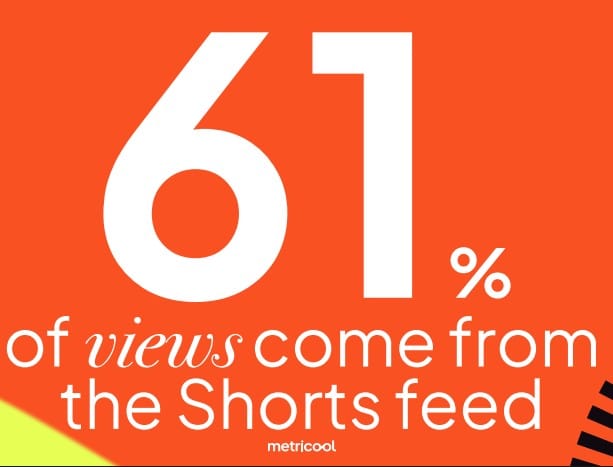
Subscribers account for another 11% of views, and only about 3% of viewers navigate directly to a channel to find content. In other words, YouTube today works less like a library people browse and more like a feed that surfaces content to you. It’s the same underlying mechanic that makes platforms like TikTok or Instagram feel social.
This means that your content’s reach depends heavily on how the platform’s recommendation system responds to it, not just on how many people already follow you.
How Does the YouTube Algorithm Decide What to Show You?
The short version: YouTube is unusually transparent about this. The Shorts system weighs a handful of confirmed signals, whether people stop to watch instead of scrolling past, how long they stay and how much they finish, satisfaction signals like likes and post-watch surveys, your past watch history and topic interests, whether you used a trending sound, and how your content stacks up against everything else posted on similar topics at the same time.
Want to understand the mechanics behind that in more depth?
How Long Does YouTube Content Stay Relevant?
One thing that sets YouTube apart from many other social platforms is how long a video can keep working for you.
According to our 2026 YouTube Study, a video gets its strongest burst of engagement during the first three days after publishing, when it captures the bulk of its total interactions. But unlike many social posts, the story doesn’t end there. After that initial spike, performance typically settles into a steadier rhythm that can continue generating views for months or even years, especially when a video is well optimized for search and relevant keywords.
This long-tail effect is one of the reasons YouTube is such a powerful platform for evergreen content. And if you’re thinking about YouTube professionally, it matters even more: those consistent views can continue adding up long after you hit publish, helping turn individual videos into a sustainable source of traffic and, eventually, revenue.
Can You Make Money on YouTube?
The term “YouTuber” has become synonymous with turning videos into a career. But how does it actually work, and can you really make a living from YouTube?
The answer is yes, but there’s more to YouTube monetization than simply placing ads on your videos.
The YouTube Partner Program (YPP) is the platform’s main monetization program. It gives eligible creators access to multiple ways of making money, including ad revenue, YouTube Premium revenue, Channel Memberships, Super Chat, Super Stickers, Super Thanks, and Shopping.
And there are currently two levels of YPP access:
Tier 1: Earlier access to fan funding and Shopping
You can apply for the expanded YPP when you have:
- 500 subscribers
- 3 public uploads in the last 90 days
- Either 3,000 valid public watch hours from long-form videos in the past 12 months, or 3 million valid public Shorts views in the past 90 days
This tier gives eligible creators access to features such as Channel Memberships, Super Chat, Super Stickers, Super Thanks, and Shopping. It’s a way to start generating revenue before reaching the higher threshold for ad revenue sharing.
Tier 2: Full monetization
To unlock revenue sharing from Watch Page Ads, Shorts Feed Ads, and YouTube Premium, you need:
- 1,000 subscribers
- Either 4,000 valid public watch hours from long-form videos in the past 12 months, or 10 million valid public Shorts views in the past 90 days
These are two separate routes to eligibility. Watch time from the Shorts Feed does not count toward the 4,000-hour requirement.
A change to watch for: starting February 1, 2027, the full-monetization thresholds are set to double, to 8,000 qualified watch hours or 20 million qualified Shorts views. The 1,000-subscriber requirement itself is not changing. If you’re building toward monetization, this is worth planning around now.
What else do you need?
Hitting the numbers doesn’t automatically get you into YPP. YouTube reviews every channel before approving it, and you’ll also need to:
- Follow YouTube’s channel monetization policies
- Live in a country or region where YPP is available
- Have no active Community Guidelines strikes
- Turn on 2-Step Verification for your Google Account
- Have access to YouTube’s advanced features
- Have an active AdSense for YouTube account linked to your channel
And remember: meeting the threshold doesn’t guarantee approval. YouTube reviews your channel as a whole to make sure it follows its monetization policies.
The purpose of these requirements is to ensure that monetization is reserved for channels with established audiences, which, in turn, helps encourage quality content and sustained effort across the platform.
YouTube keeps growing, and the fact that even the world’s most popular musicians use it to release singles is proof of that.
So, can you actually make a living on YouTube?
Absolutely, but ads are only one piece of the puzzle. Today’s YouTube creator economy is built around a mix of revenue streams, from fan funding and Shopping to brand partnerships and advertising. YouTube itself says it’s continuing to expand the ways creators can earn, including through shopping and brand deals.
That’s what makes YouTube more than just a place to upload videos: with the right audience and strategy, your channel can become a business in its own right.
